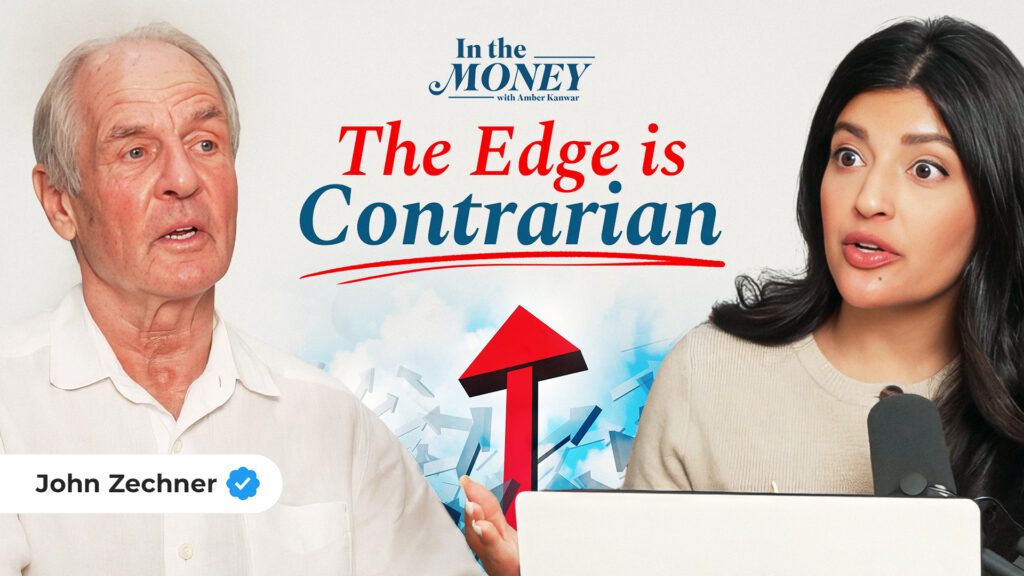
John Zechner has seen this movie before — and when everyone’s on the same side of the trade, he starts looking the other way. The Chairman & Founder of J. Zechner Associates joins Amber Kanwar to break down how he’s positioning his portfolio in a market driven by noise, geopolitics, and crowded trades. From calling the recent energy shock a potential “9/11-type” shift in investor psychology to arguing that markets are still mispricing long-term risks, Zechner lays out why being contrarian today could pay off tomorrow.
This cold is staying past its welcome. It feels especially cruel given the bouts of warmer weather. Shout out to my husband who has been picking up the slack. He’s a shining example of how important it is not to marry a loser. A lesson I hope my girls pay attention to when they are older!
Here are five things to know:
Earnings, stupid: The stock market enjoyed another strong day of gains fueled by hopes of peace talks. The blockade of the Strait of Hormuz by the US seems to have brought Iran back to the negotiating table. Tech once again led the rally while energy faltered. Earnings season will pull focus for investors and its important to remember this is the singular factor driving markets forward. The S&P 500 is decimal points away from another record high and the TSX is 1% away. Geopolitics make headlines, but they don’t always make money. The quiet force driving market is the fact that earnings are expected to grow 13% year over year, which would be the sixth straight quarter of double digit earnings growth. And thanks to a market sell-off, the market is no longer as expensive as it was at the beginning of the year.
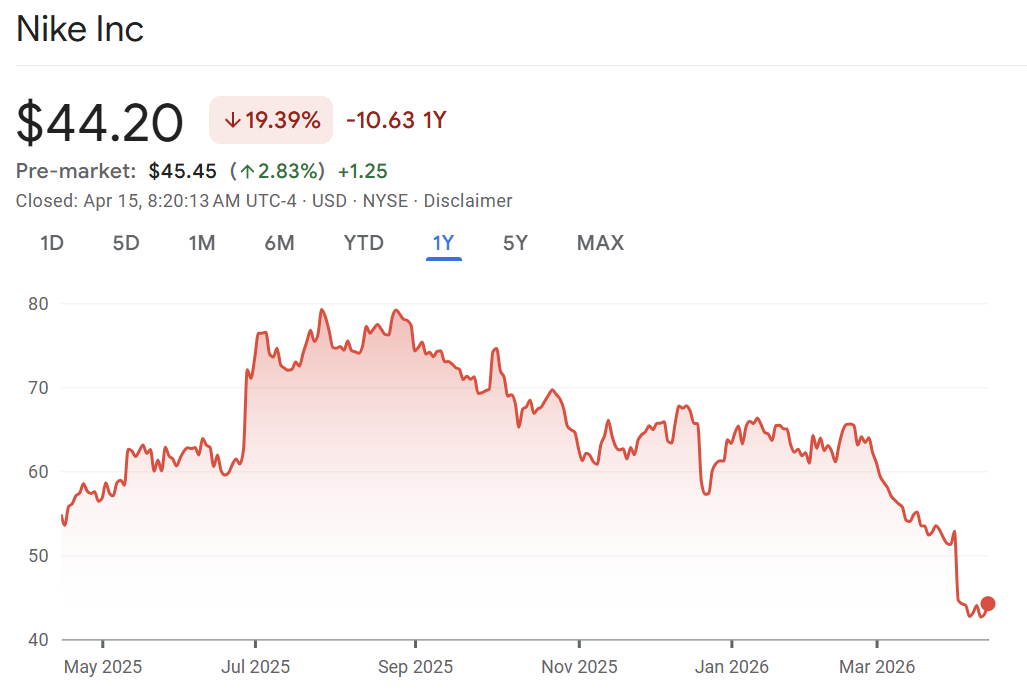
Bank on it: Bank of America is higher in the pre-market after earnings and sales beat expectations. Trading was the bright spot, which has become a trend this earning season. However, fixed income, currency and commodity trading was lighter than expected. This hurt shares of Goldman Sachs on Monday but investors don’t seem as fussed when it comes to Bank of America. The bank also disclosed it only has about $20 billion of private credit exposure and hasn’t had any losses there. “All in a good quarter and we could see a little lift in the stock despite most of the good news being out there as we feel investors have been a little underweight BofA and a little concerned about expenses,” said Evercore’s Glen Schorr. Morgan Stanley is pumping +3% in the pre-market after a profit came in 15% above expectations driven by a trading windfall in both equities and fixed income. The latter is a feather in their cap given the weakness Goldman saw in their fixed income trading unit last quarter. While consumer lending was tepid at Bank of America, Morgan Stanley saw stronger loan growth mainly because it lends to wealthier clientele.
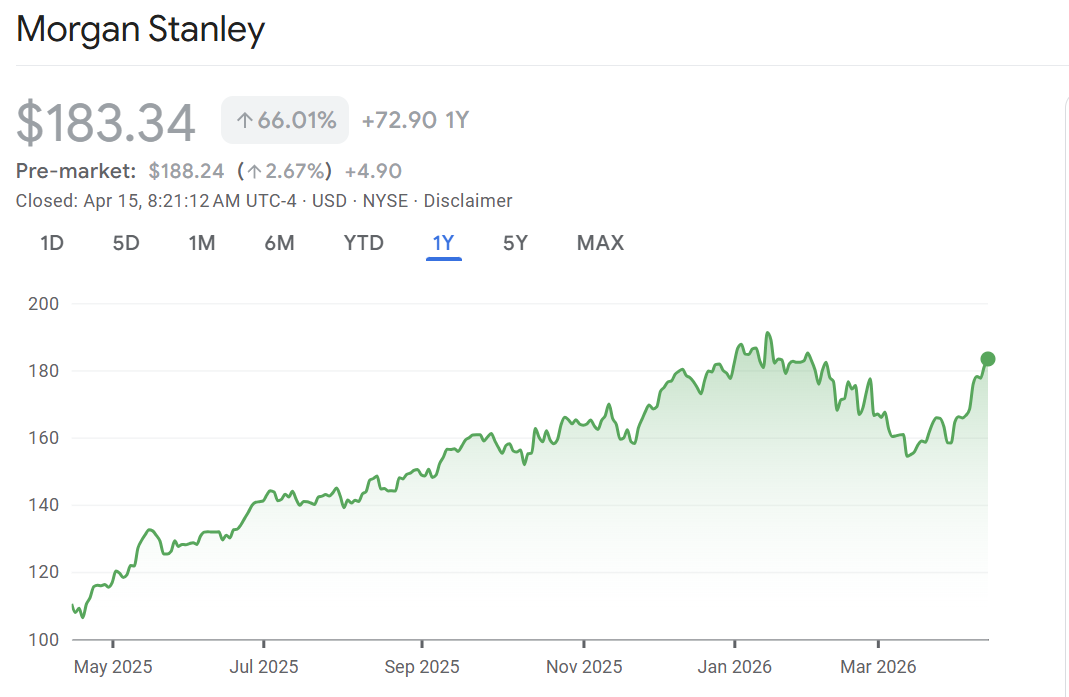
Tim Apple: Nike is popping 3% after Apple’s CEO Tim Cook, who is also a Nike board member, bought 25,000 shares of the embattled athletic apparel retailer. The $1,100,000 stock purchase is seen as a vote of confidence with the stock languishing at a 12-year low. Nike CEO Elliott Hill also bought over 23,000 shares. As they say, there are plenty of reasons to sell a stock, but you only buy for one reason: you think the stock is going higher. I’ll take it as a long-suffering Nike shareholder.
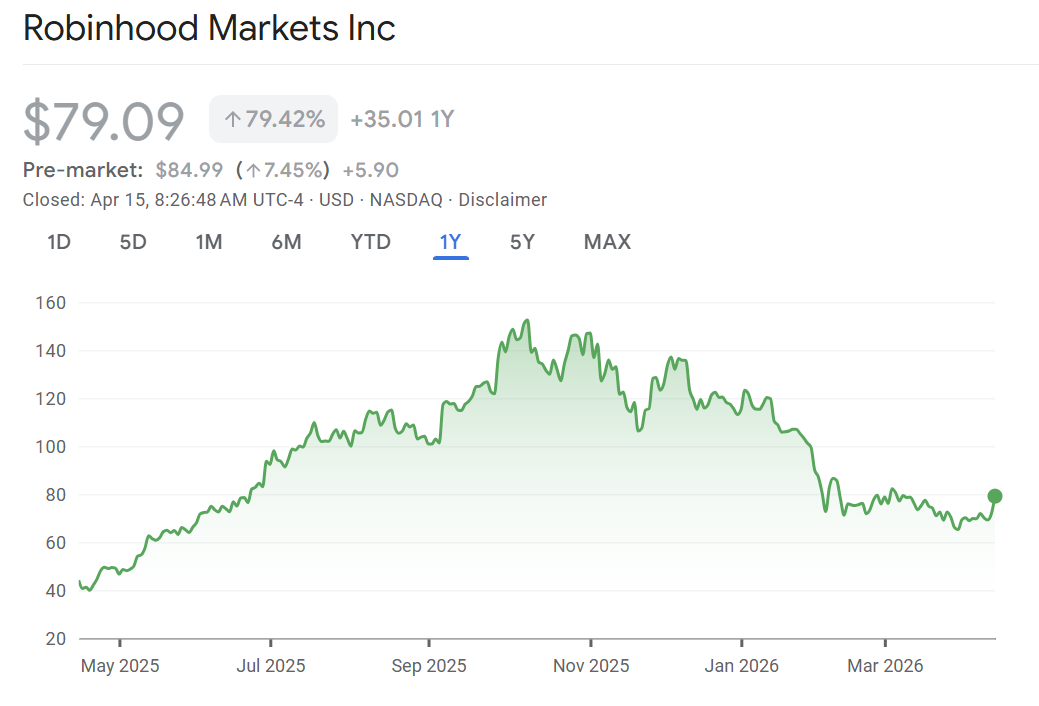
What could go wrong: Shares of trading platforms like Robinhood (+7%), eToro (+1%), and Charles Schwab (+1%) are higher after the SEC approved a plan to remove day-trading limits for investors. Under the old rules, if you had less than $25,000 in your brokerage account you were only allowed to make 4 day-trades in any 5-day period. If you do more than that, your broker could restrict you which mainly affected smaller investors. Now the $25,000 minimum is gone and you just need to have enough money in your account to cover whatever you trade. Trading platforms are higher on the prospect of higher trading volume. I own shares of Robinhood.
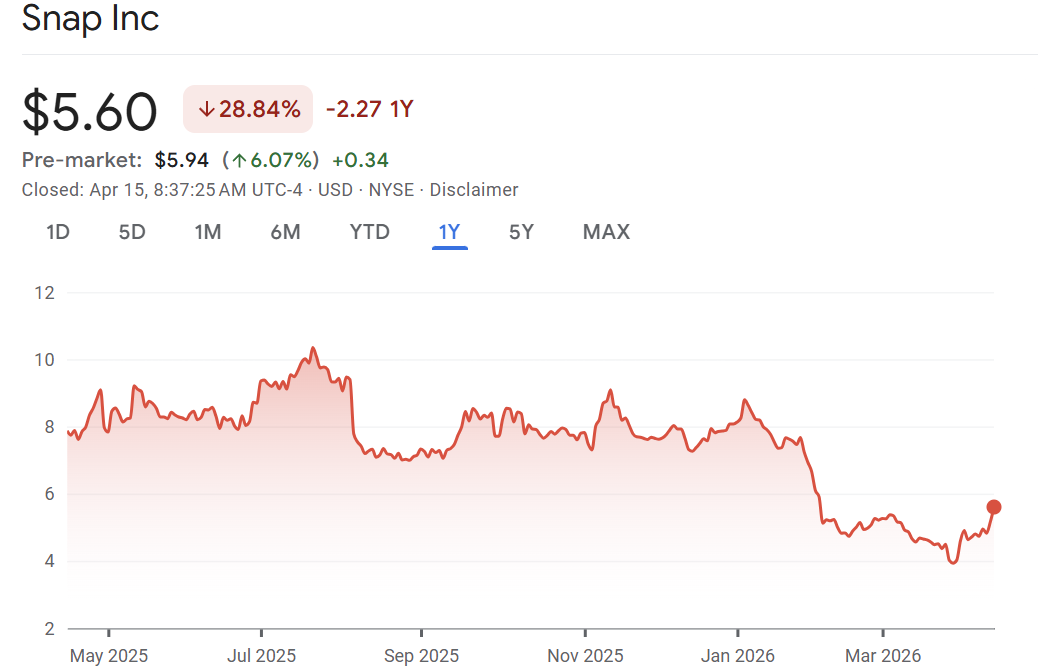
Bend and snap: Shares of Snapchat’s parent company are up 6% after the social media company announced it would be cutting 16% of its workforce in a bid to become profitable. This works out to about 1,000 full-time jobs. In a letter to employees, CEO Evan Spiegel said the moves were driven by the need to bring down costs and boost efficiency, citing AI as an enabler. SNAP has lost money every year as a public company and shares are down 91% over the last five years.
Don’t miss the next episode!