
If you can’t beat them, join them. That’s the mindset Marc Robinson brings to small cap investing right now. The Managing Director at FAX Capital makes the case that the traditional small cap playbook is broken—capital is leaving public markets, private equity is stepping in, and more companies are choosing to go private. His solution: blend public and private investing, take concentrated positions, and actively push for outcomes. He explains how his 70/30 strategy works, why active ownership is critical in Canada’s inefficient small cap market, and how investors can capture a “second bite of the apple” when companies get taken private. Along the way, he breaks down the growing disconnect between public and private valuations—and why that gap is creating opportunity.
Wondering which investment is right for you? Take the Vanguard quiz to find the all-in-one ETF that matches your investor profile. You’ll get a personalized asset allocation — a mix of equities (stocks), fixed income (bonds), and cash — tailored to your risk tolerance. For more information check out our latest ETF Minute featuring Vanguard’s Mario Cianfarani for all the details.
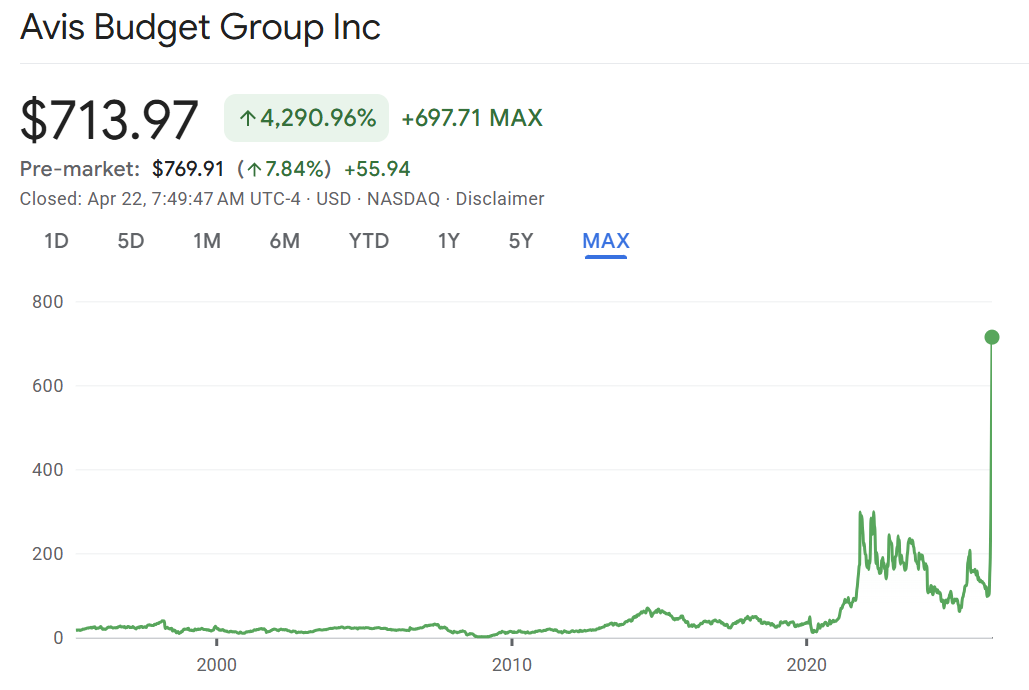
Short covering: US stocks are indicating a stronger open after US President Donald Trump extended a ceasefire with Iran despite saying he wouldn’t extend it. Part of the challenge, Trump says, is that the Iranian government has been decimated that there is no one to negotiate with. Nevertheless, investors continue to move on from the conflict. Oil is down 2%, gold is up 1% and crypto is pumping with bitcoin near a 3-month high. Canadian stocks struggled thanks to the worst sell-off in the material sector in a month. Everything from base metals to precious metals were thrown out. As investors trim their winners in April, they are loading up on laggards. The most shorted stocks have been outperforming. Avis Budget is a perfect example with the stock up 330% so far in April to reach a record high which is quite a feat considering the company has been public since the 1990s. The chart looks insane. But 54% of the shares are short and the float is very small which make it ripe for a squeeze. The Goldman Sachs Most Shorted Rolling Index, which tracks the performance of the most shorted stocks in the Russell 3000, has surged 26% from the March 30th low outperforming the S&P 500 and the NASDAQ over that time. By the way, this is all happening as the market has priced out the chance of any rate cuts in the US this year. Earnings will pull focus with IBM, Tesla and Texas Instruments reporting after the bell.
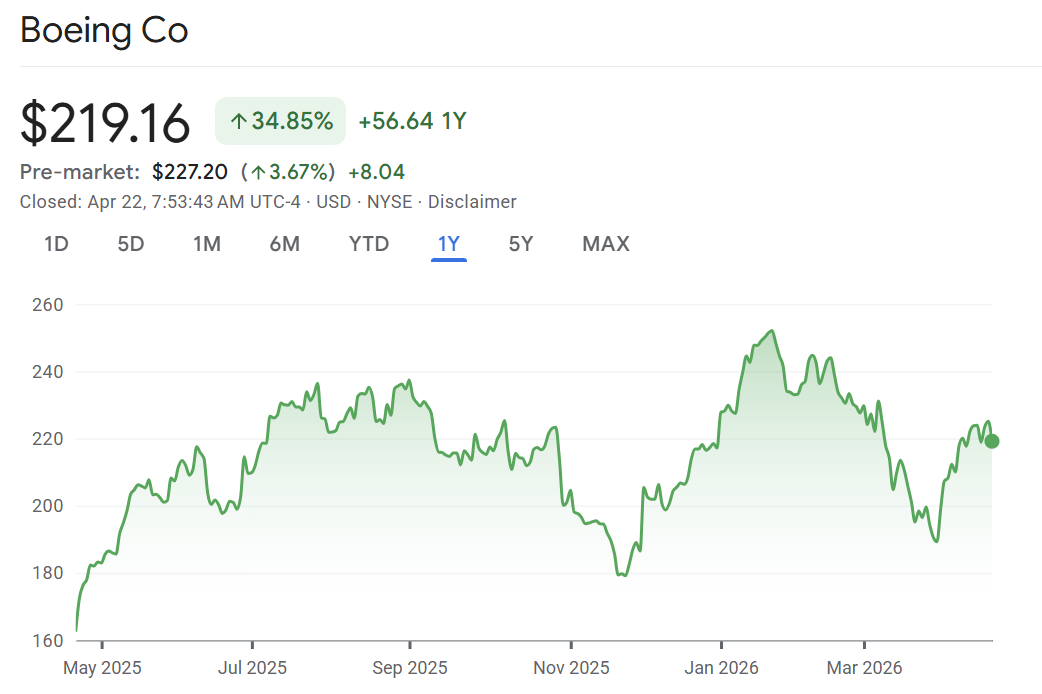
Wings of an angel: Boeing is pumping 3.5% in the pre-market after it narrowed its quarterly loss and cash burn while touting a record order backlog and higher jet deliveries. Boeing’s safety culture came under scrutiny after two fatal crashes between 2018-2019 and a near-fatal incident in 2024 after a door plug blew out in the middle of a flight. After years of production delays and a management refresh, Boeing appears to be getting its act together. It delivered the most aircraft since 2019 and its cash burn was nearly half of expectations. Separately, the FAA said it hasn’t found any reason not to certify their new 737 MAX 7 and MAX 10’s by the end of the year. Shares have traded sideways for years and have yet to reclaim their 2019 highs.
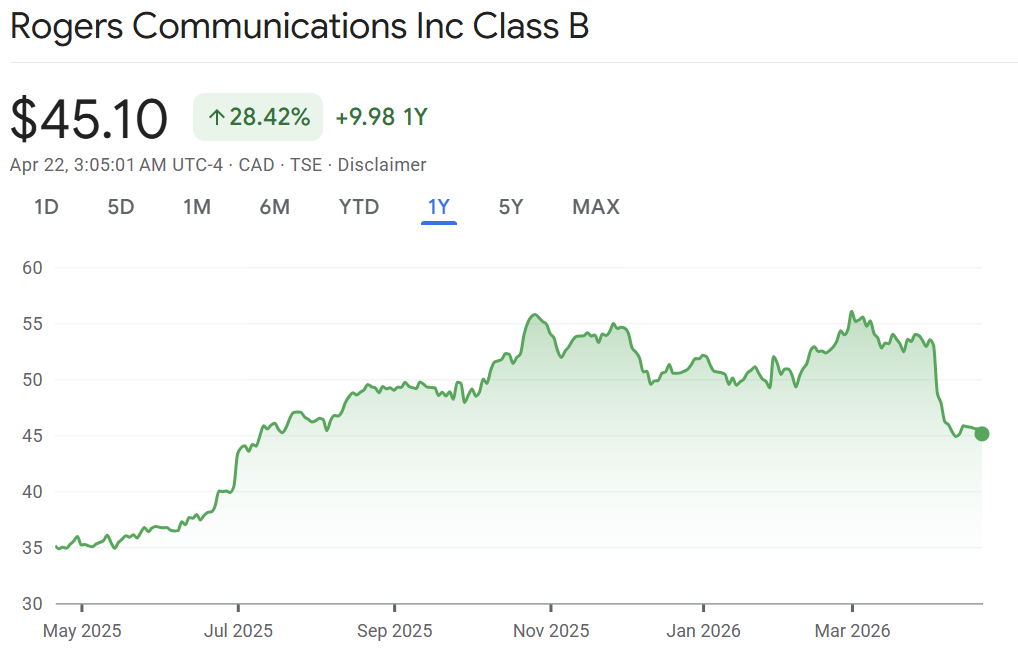
Hold the phone: Shares of Rogers Communications could trade higher after reported in-line quarterly results but slashed spending plans by $800 million in a challenged telecom environment. Shares of the telecom giant have underperformed peers so far in 2026 and elevated spending has been a concern. “We believe it is becoming increasingly challenging for Canadian telecom companies to earn an appropriate return on network upgrades in the current pricing environment,” wrote Desjardin’s Jerome Dubreuil in a note to clients after the results. “High spending amid challenging monetization conditions has been a common investor pushback in the last few years, and the meaningful capex reduction—if sustainable—should be well-received,” he said. As a result of the lowered spending plans, free cash flow projections were significantly higher than consensus which could also support the stock today.
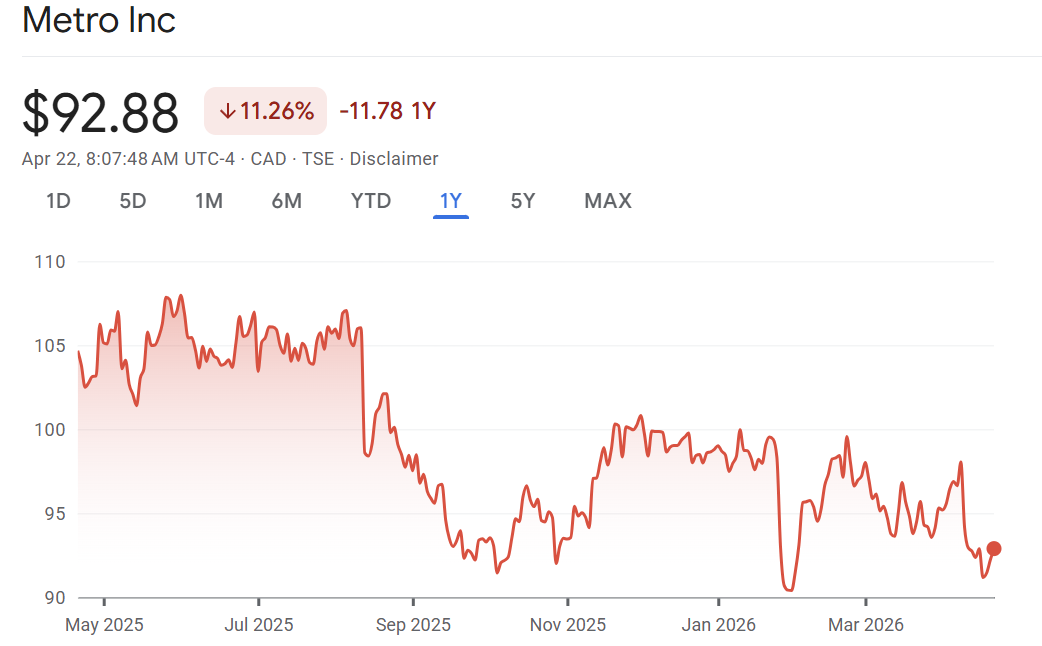
Best before: Keep an eye on shares of Metro after the grocer reported in-line sales and profit with several disappointing metrics. Overall food sales were weaker than expected, online sales growth decelerated, and they warned that upcoming results will be negatively affected by a strike at one of their produce distribution centres. However, they didn’t quantify what that would be. There were some bright spots including better than expected pharmacy sales and strong demand at its discount stores. Keep in mind the stock has underperformed – down 10% over the past year so investors may be inclined to look through the negative.
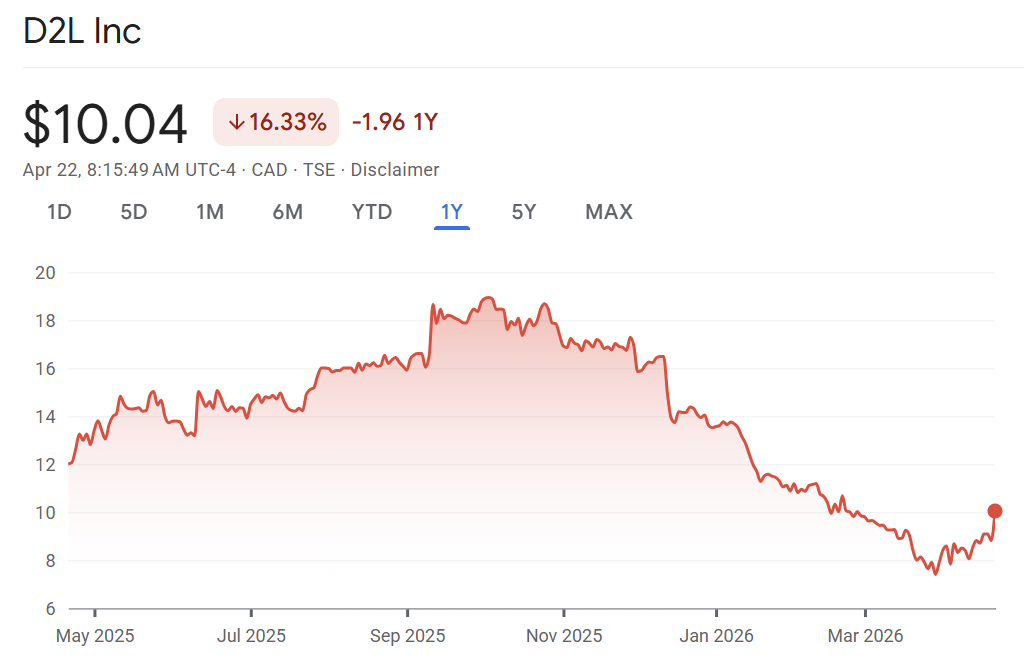
Desire to takeover: Yesterday, D2L received a non-binding unsolicited takeover offer at a 20% premium. The small-cap software company has been under pressure and was named a Pro Pick in yesterday’s episode with Marc Robinson. The episode was filmed the day before the takeover offer was made. D2L has acknowledged receipt of the deal but says it not in any deal negotiations. I followed up with Robinson about whether the jump in the shares mean there is no longer any upside. “I don’t really see this as bona fide bid – it is hostile with no buy-in from management, who owns multi-voting shares, and it is far too low,” he said in an email, “It does however nicely underscore the extreme valuation disconnect, which is perhaps what it was intended to do. Even after todays move the stock is trading at 6.5x forward EBITDA, for a business that is likely worth 12x+. I can see the stock continuing to move higher.”
 Don’t miss our next episode!