All about tariffs
Am I too young to say, “I’m getting too old for this?”
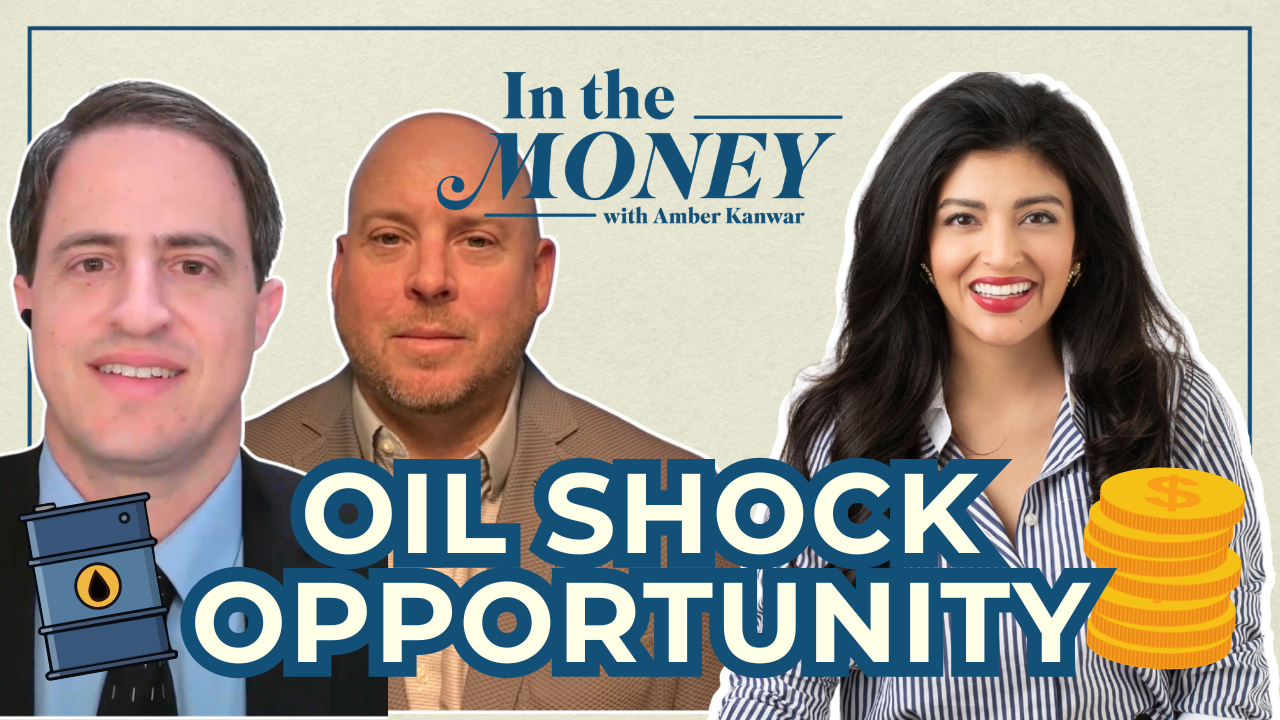
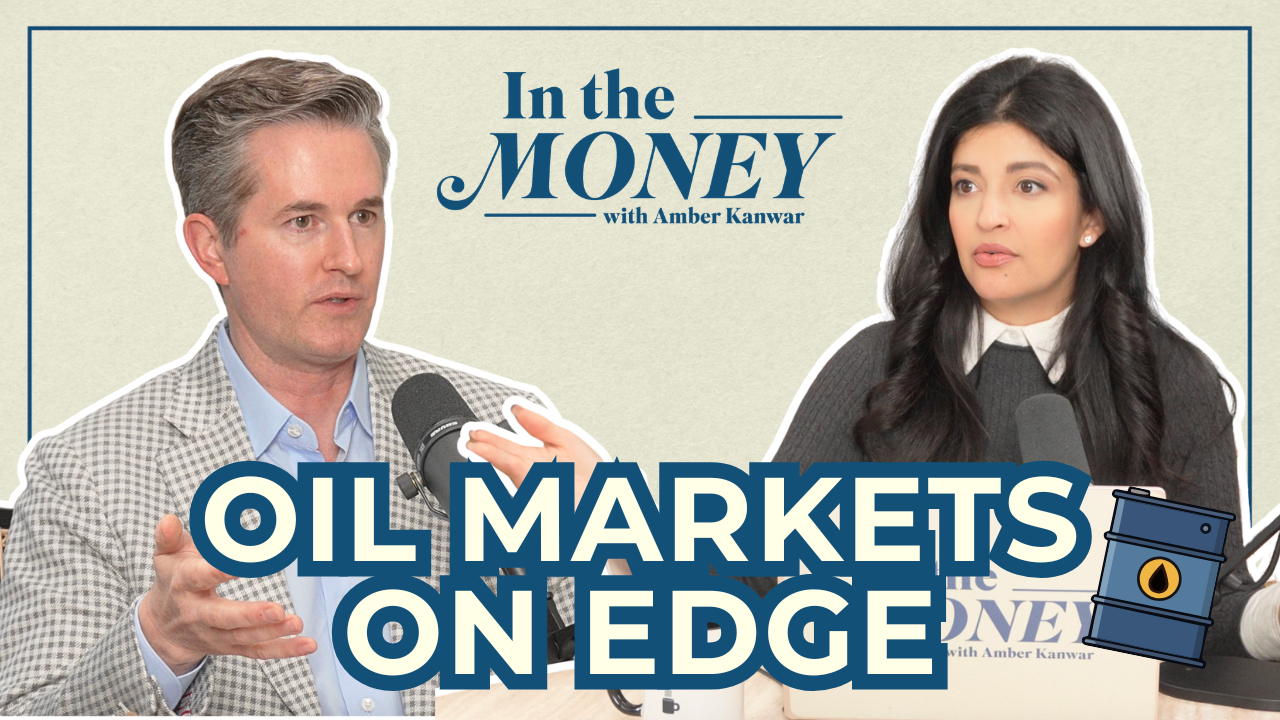
Tariffs are part of a regime change in the markets according to Dan Dreyfus at Bornite Capital. In our latest episode of In the Money with Amber Kanwar he walks through the new world order in which inflation is high, the US dollar is debased and commodities and critical infrastructure outperform. He says gold can rally to $4,000/oz. He’s an smart guy who’s worked at Goldman Sachs and 3G Capital before starting his own fund in 2020. Tune in! Listen on Apple, Spotify or here.
This newsletter is sponsored by BMO InvestorLine. The newsletter and the podcast may give you some interesting investment ideas. To help you research and potentially act on those ideas, consider BMO InvestorLine. Their platform provides the resources you need to analyze potential investments, with the valuable tools and research you need when exploring the market. Plus, you’ll find the BMO Investment Learning Centre with educational courses and videos empowering you to make informed decisions. Learn how you can earn up to $3,500 cash back when you open a new account.
Coles notes: Global markets are tanking in the aftermath of one of the most consequential political moments for the stock market in history. Within minutes of US President Donald Trump unveiling his bristol board of tariffs, the markets lost trillions in value. The tariffs are being called “worse than the worse case scenario”. Here is what we know
Minimum 10% tariff on all trading partners
Tariffs on 60 countries with the largest trade imbalances with the United States
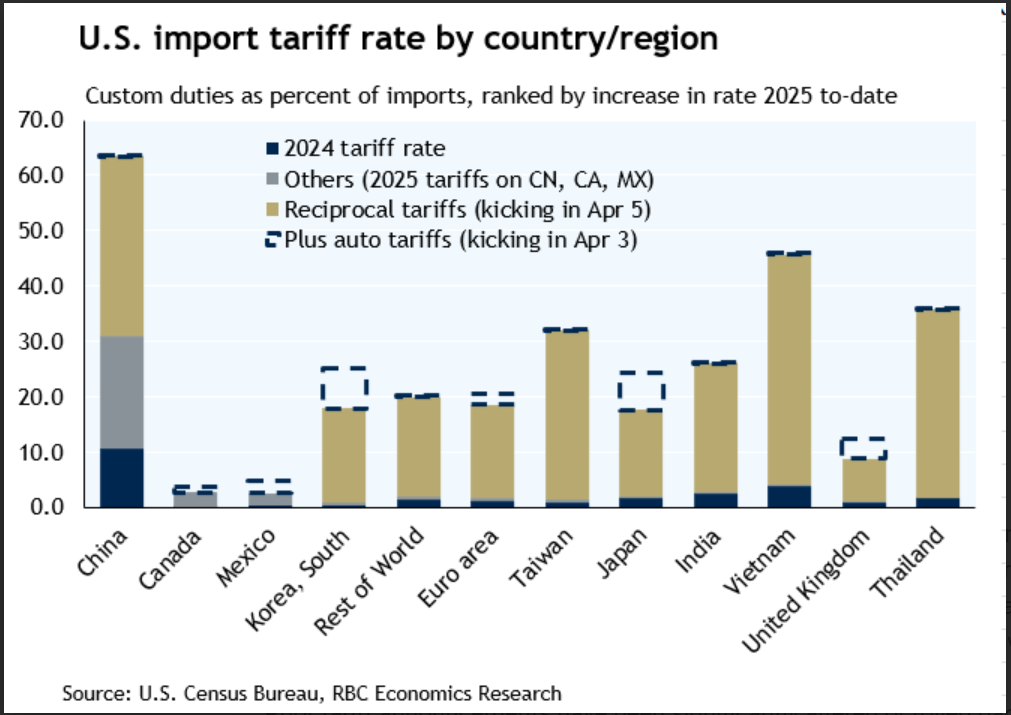
– China: 34% (on top of the recent additional 20%)
– Japan: 24%
– South Korea: 25%
– Taiwan: 32%
– Vietnam: 46%
– The European Union: 20%
Canada and Mexico emerge relatively unscathed: They are NOT subject to baseline tariffs and no additional tariffs were announced. They remain subject to tariffs imposed in early March as well as the auto/steel/aluminum tariffs, but goods that comply with Nafta 2.0 will continue to be exempt.
Gold, copper, pharma, semiconductors, and lumber exempt from tariffs
The Administration is drawing criticism for how the tariffs were calculated. It appears they determined the tariff another country was charging by looking at their trade deficit with that country rather than the actual tariff they charge. China and Asian manufacturers were hit particularly hard. Interestingly, a 10% tariff was levied on Heard and McDonald islands which is home to thousands of penguins but no humans.
Market reaction: Global stock markets are sharply lower, oil is falling nearly 5% on recession fears, gold is pulling back, and bonds are rallying. Tech stocks are getting slammed in the pre-market. “President Trump just finished his tariff speech at the White House and we would characterize this slate of tariffs as ‘worse than the worst case scenario’ the Street was fearing,” wrote Wedbush’s Dan Ives who has been one of the most ardent bulls on tech. Even he is struggling to find a silver lining. “Tech stocks will clearly be under major pressure on this announcement as the worries about demand destruction, supply chains, and especially the China/Taiwan piece of the tariffs,” he wrote, “Apple produces basically all their iPhones in China…” Each of the Magnificent 7 is under pressure (Tesla -5%, Apple -7%, Amazon -6%, Nvidia -5%, Alphabet -3%, Microsoft -2.5%). Treasury Secretary Scott Bessent remarked on the tech sell-off after the tariff announcement saying it was a “Mag7 problem, not a MAGA problem.” It’s a problem in Canada too with shares of former tech darling Celestica is down 12% in the pre-market. “New reciprocal tariffs likely to apply to products manufactured at several of Celestica’s facilities,” wrote RBC’s Paul Treiber about Celestica which has production in China, Malaysia and Thailand. Away from tech, clothing manufacturers with production in Asia are being slammed. Shares of Nike are falling (-10%) and poised to open at the lowest level since 2017 while Lululemon is also plunging (-12%). Shares of RH (known as Restoration Hardware) are plunging nearly 30% right now. The furniture maker is weighed down by a double whammy of weak housing market conditions and now tariffs on its Vietnamese production. The CEO learned of the stock collapse in real-time when he was on a conference call with investors saying “Oh shit. Okay. Uh-huh, uh-huh, I just looked at the screen…” Tomorrow we will hear from Fed Chair Jerome Powell. “Higher tariffs imply higher inflation, but Fed likely to cut on growth,” wrote Citi’s economic team in a note to clients. “We expect the Fed to lean toward its employment mandate and cut policy rates aggressively later this year.”
Relief: Energy imports from Canada that are compliant with Nafta 2.0 will not be tariffed while non-compliant imports continue to see a 10% tariff. However, oil prices are plunging on fears of recession risk and Canadian energy producers like CNQ (-2.5%), Suncor (-5%), and Cenovus (-6%) are lower in the premarket. Nevertheless, RBC points out many of these producers are not subject to import tariffs. “While we have not surveyed our entire coverage universe, select Canadian energy producers including CNQ, Suncor Energy, Imperial Oil, Cenovus Energy, MEG Energy, Tourmaline Oil, and Athabasca Oil have confirmed that their production is USMCA compliant and therefore are not subject to import tariffs,” wrote RBC. This morning is all about defense with real estate, utilities and consumer staples the relative outperformers. I’ll be watching shares of Descartes, a Canadian tech company that sells software to help companies manage supply chain complexities including, for example, sudden and sharp changes to tariff laws.
Monetary policy: The Canadian dollar is surging against the US dollar to the highest level since December as traders bet the Federal Reserve will have to be more aggressive with their rate cuts. At the same time, the fact that Canada wasn’t included in this round could mean the Bank of Canada will pause its rate cutting campaign in April according to Desjardins. They say the punishment of other trading partners may actually allow Canada to take some market share. The Federal Reserve, on the other hand, will have to balance higher inflation against plunging growth. Ahead of Trump’s announcement, the Atlanta Fed’s GDP Now indicator for Q1 has growth falling 3.7%. “In the last 50 years, U.S. quarterly real GDP rates have only been at or below -3.7% in eight quarters,” wrote Jason Schenker of Prestige Economics.
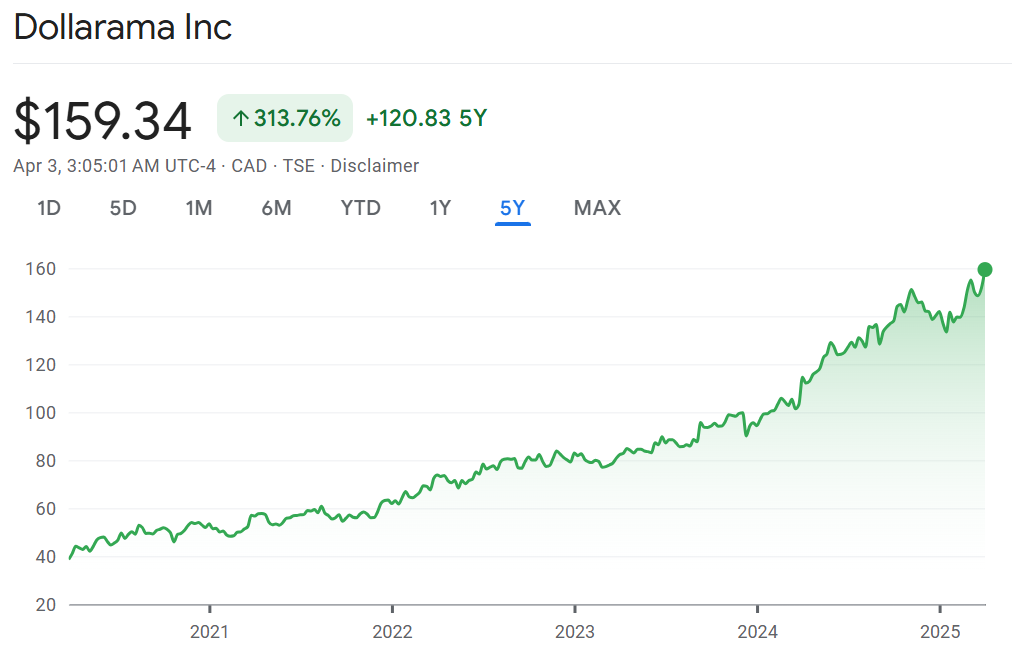
If I had a dollar: Dollarama reported quarterly results against a very difficult tape so we will see how the stock reacts at the open. On the positive side, it beat profit and sales expectations and boosted its dividend 15%. The outlook for comparable sales growth, however, is a hair lower than expected at the mid-point. The company says margins will be 44.2% to 45.2% which is 0.2% higher than their forecast last year. The stock closed at an all-time high yesterday and investors will be keen to hear how the company plans to navigate tariff uncertainty.