
In this special episode of In the Money with Amber Kanwar, former Scotiabank CEO Rick Waugh and best-selling author Howard Green join Amber for an in-depth conversation on leadership, resilience, and risk inspired by Howard’s new book about Rick’s life, Gimme a Crisis. From Argentina’s economic collapse to the 2008 financial crisis, Rick shares the untold stories of how Scotiabank navigated chaos, managed risk, and emerged stronger. He reveals what it was like in the room during global financial turmoil, how Canadian banks stayed stable while Wall Street burned, and why he still sees opportunities in uncertainty.
Here are five things to know today:
Waiting: Futures are perky this morning on prospects of the US government shutdown ending today and a rally in tech stocks (more below). Yesterday the market wobbled after the weekly release of ADP payrolls showed a significant slowdown in hiring. Normally the market completely ignores this release, but without official government data it is all we have. The lack of data could also dent the prospects of another rate cut by the Federal Reserve in December according to the latest reporting from the Wall Street Journal. “Officials are fractured over which poses the greater threat—persistent inflation or a sluggish labour market—and even a resumption of official economic data may not bridge the differences,” writes Nick Timiraos of the WSJ. Today is a busy day for earnings on the TSX with 13 companies reporting today including Manulife and Linamar after the close. Today, Prime Minister Mark Carney is expected to announce the next round of “nation-building” projects to be fast-tracked by the government. CBC is reporting they will include three critical mineral projects, an LNG project and at least one transmission project. Watch for any comments regarding pipelines, recall this is what he said about them in our interview on Friday.
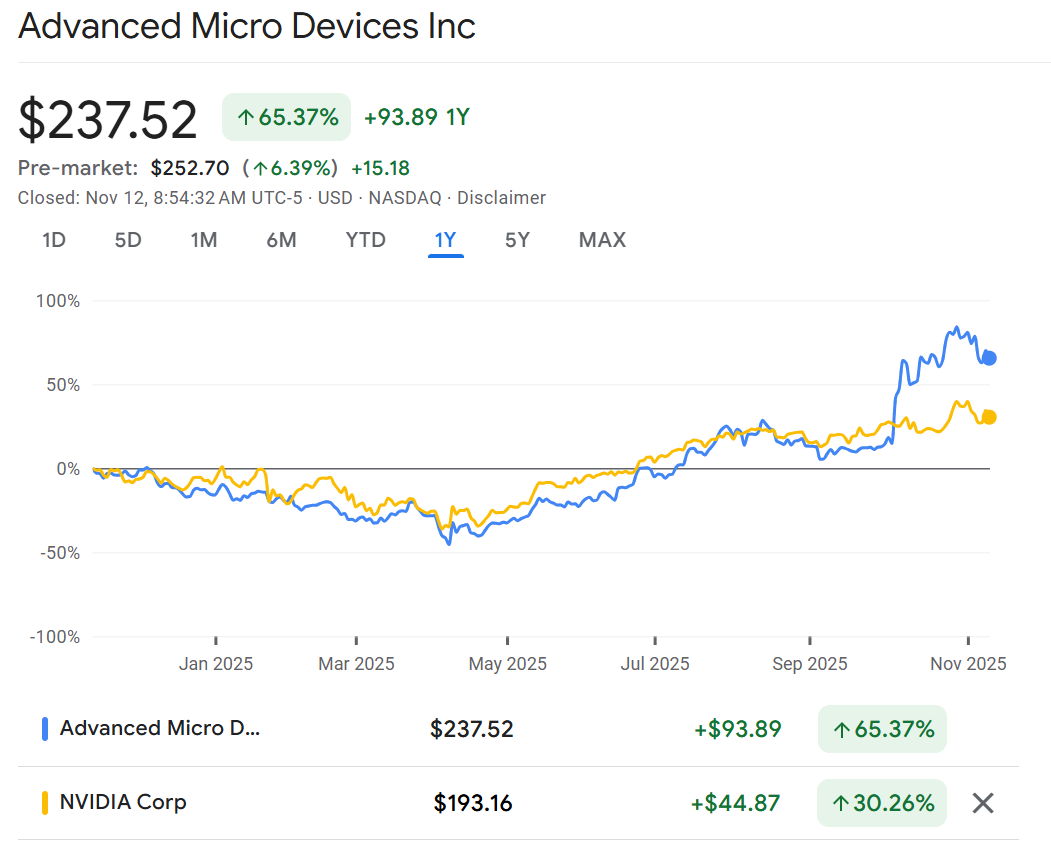
Bright spot: Shares of AMD are a beacon to tech this morning rallying more than 6% after releasing bold financial targets for the next 3-5 years at its Financial Analyst day. The closest rival to Nvidia says they will be able to grow sales 35% every year for the next five years while data centre growth will average 80%. AMD’s fortunes are very much linked to OpenAI especially after the chipmaker signed a deal to help them build AI infrastructure back in October. This led to an explosive 24% one-day gain in the stock. AMD has hung on to those gains and has actually outperformed Nvidia over the past year (although Nvidia has trounced AMD over the long-term)
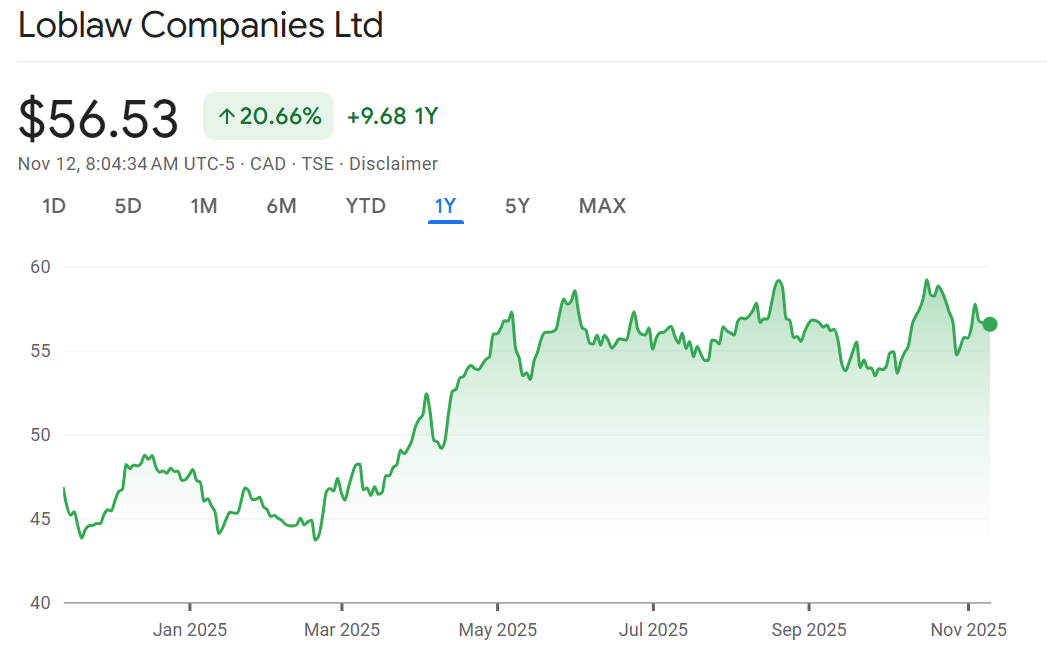
Add to cart: Watch Loblaw at the open after it beat profit expectations while food sales were disappointing offset by stronger drug-store sales. The grocer reported 2% food sale growth, below the 3% growth expected. However, drug-store sales were up 4%, better than expected. They are also increasing their full-year profit forecast from high-single digit growth to low double-digit growth. The stock is up nicely over the past year but has been range-bound over the last several months. I’ll watch for what wins out the day in the stock: weaker sales or better forecast.
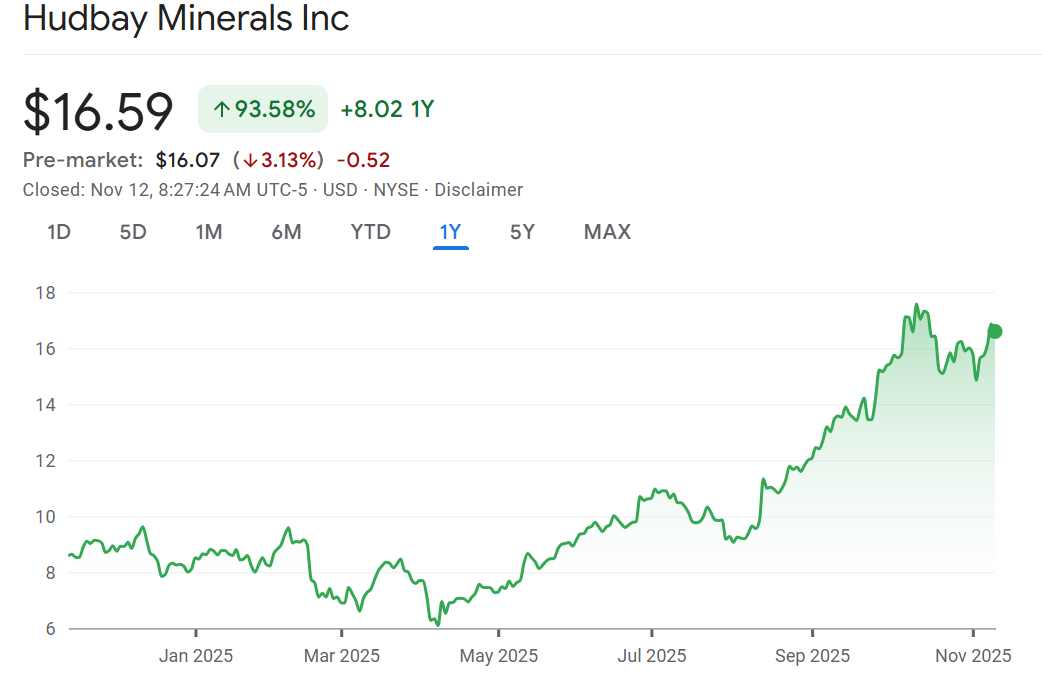
Slap the base: Hudbay Minerals will be a pressure point after profit was half of expectations and production was significantly lower. The base metal miner saw a 40% drop in gold production from last year, 26% drop in silver and 23% drop in copper. Hudbay Minerals blamed weather disruptions in Manitoba due to wildfires. In Peru, it was a combination of ocean swells at a port and labour disruptions. They say gold and copper production will be at the lower end of their forecast. Scotia is taking comfort in the fact that the forecast was maintained despite all these disruptions. The company also lowered their cash costs and their planned capital spend, which Scotia also views as a positive. Hudbay shares have been on a tear almost doubling over the past year.
Square the circle: Shares of Circle are under pressure and poised to open at a 5-month low despite higher than expected revenue. Circle issues USDC, a US dollar backed stablecoin. The issue this quarter is the interest they are earning on their US dollar reserves is declining while their distribution costs (fees they pay to exchanges or banks to incentivize use) are rising. The stablecoin issuer went public in June at $31/share and while the stock is still trading well above those levels it is below the August issuance of $130/share. 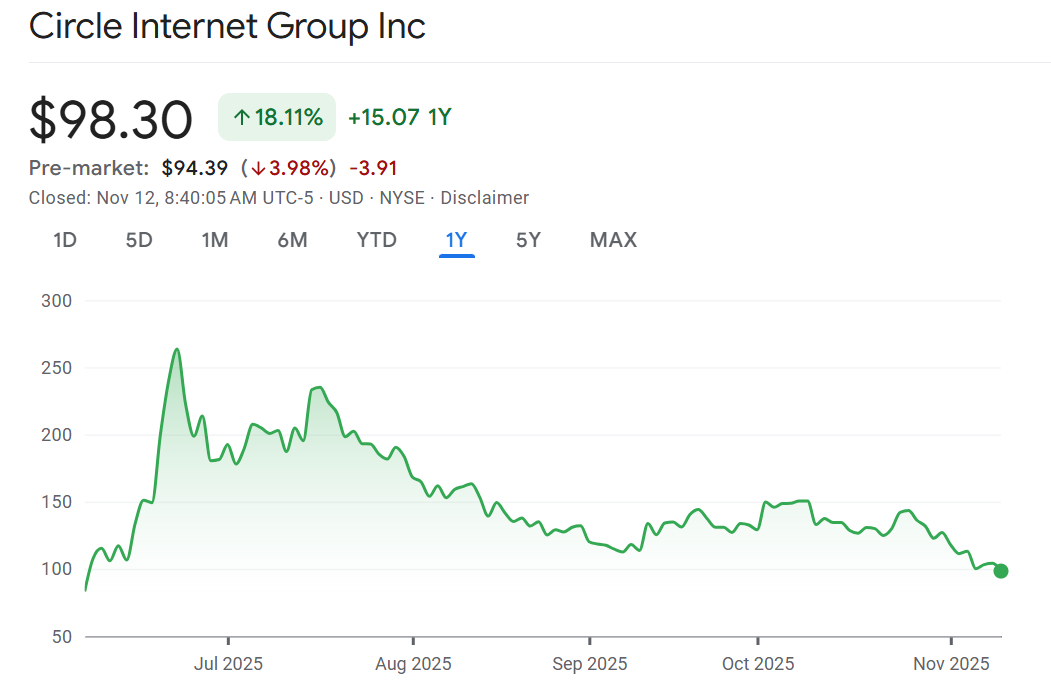 Don’t miss our next episode!