The price of admission is $25 million — and how you invest changes completely once you get there. On this episode of In the Money with Amber Kanwar, Stephen Harvey, CIO of Sagard Wealth, breaks down how ultra-high-net-worth investors are positioning portfolios today — and why it looks nothing like a traditional 60/40. He explains how families are increasingly thinking like institutions, with heavy allocations to private markets, real assets, and global opportunities.
Looking to invest in high-quality companies without high fees? The HAMILTON CHAMPIONS™ suite of ETFs offers exposure to diversified portfolios of equity champions across tech, financials, utilities, and dividend strategies, all with a low 0.19% management fee, designed to help you stay invested with confidence for the long term. For more information on the HAMILTON CHAMPIONS™ suite, visit: www.hamiltonetfs.com/hamilton-
Summer arrived just in time for the long weekend. My son managed to turn a three-day long weekend into a four-day one by telling us his school was closed Friday. I imagine normal parents would fact-check their 4-year old. But since he’s the third child of two overworked parents we just sort of trust that he’s got a handle on things. It wasn’t until we got an e-mail mid-day from his school asking where he was that we knew we had been duped. When confronted he said in his cutest little voice, “I just wanted a day off.” Honestly, I respect the game.
Here are five things to know:
Fog of war: Stocks are plunging and bonds are under pressure as the war in Iran drags on. Oil prices are taking a breather after US President Donald Trump said he wouldn’t authorize new strikes on Iran at the request of Qatar, Saudi Arabia, the UAE. Tech stocks are leading the charge lower as higher interest rates weigh on the group. The US 10-year yield hit 4.6% which is the highest level in 14-months. The 30-year yield, meanwhile, has now stuck its neck past 5.14% which is the highest level since 2007. Now, 5% (give or take a few decimal points) has been the lid for the last 15 years. The level has been tested several times in the last few years, but each time it has come back down. The stock market’s ability to shake off its current woes depend on that happening again. With tech companies issuing record levels of debt to fund their AI ambitions, they’ve become incredibly rate sensitive.
Good news: Canadian inflation grew significantly less than expected in April. Headline inflation hit a two-year high of 2.8% but that was less than feared (vs estimated 3.1%). Inflation only grew 0.4% compared to last month which is an unexpected deceleration from the previous month. Measures of core inflation also cooled. While gas prices soared nearly 30% from last year, rent and grocery prices increased less than previous months. Indeed, when you exclude food and energy, inflation was a tepid 1.5% – the lowest level since March 2021. “Looking forward, the slack currently in the economy lessens the likelihood that the current oil price shock broadens into wider inflation pressure, and we continue to forecast that the Bank of Canada will hold its overnight rate at its current level this year,” wrote CIBC’s Andrew Grantham.
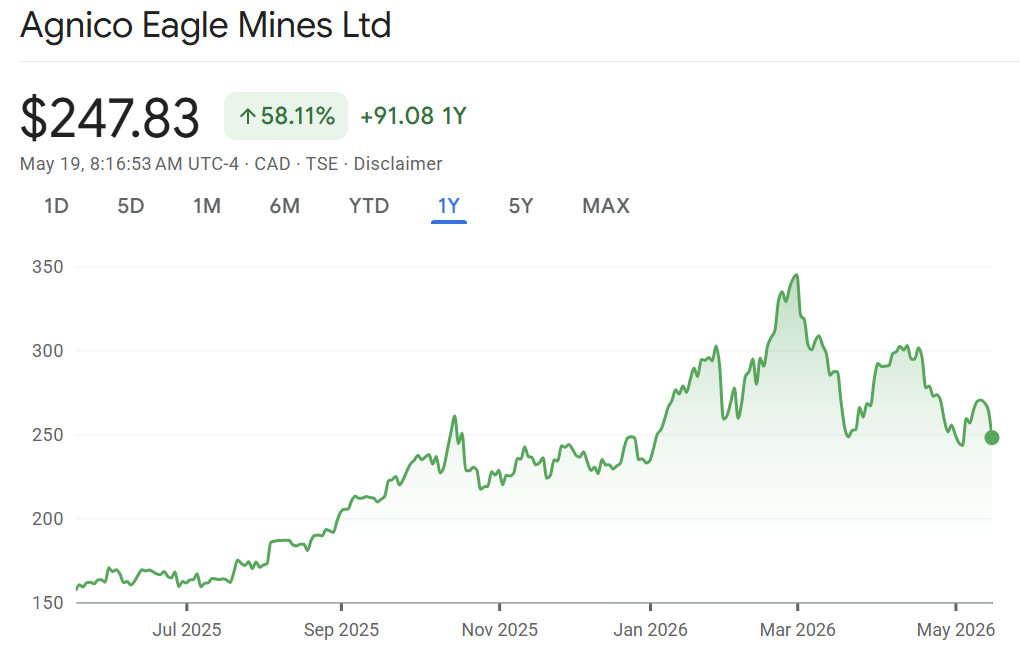
Omaha bets: Berkshire Hathaway made some of the most drastic changes to their portfolio in years under new CEO Greg Abel according to the latest 13F filings. Berkshire exited 16 stocks including: UnitedHealth, Visa, Mastercard, Pool, Amazon, and Domino’s Pizza. They bought just two new stocks: Delta and Macy’s and increased their stake in Alphabet. Under Abel, ownership in Alphabet has tripled. Interestingly, Bill Ackman’s 13F revealed he sold Google using it as a source of funds to buy Microsoft. In total, Berkshire now holds 26 stocks compared to 42 last quarter. Seems like a “clean-up” quarter with the departure of Todd Combs. Names like UnitedHealth, Pool, Constellation Brands were all fairly recent adds and uncharacteristically tossed or dramatically reduced from the portfolio in short order.
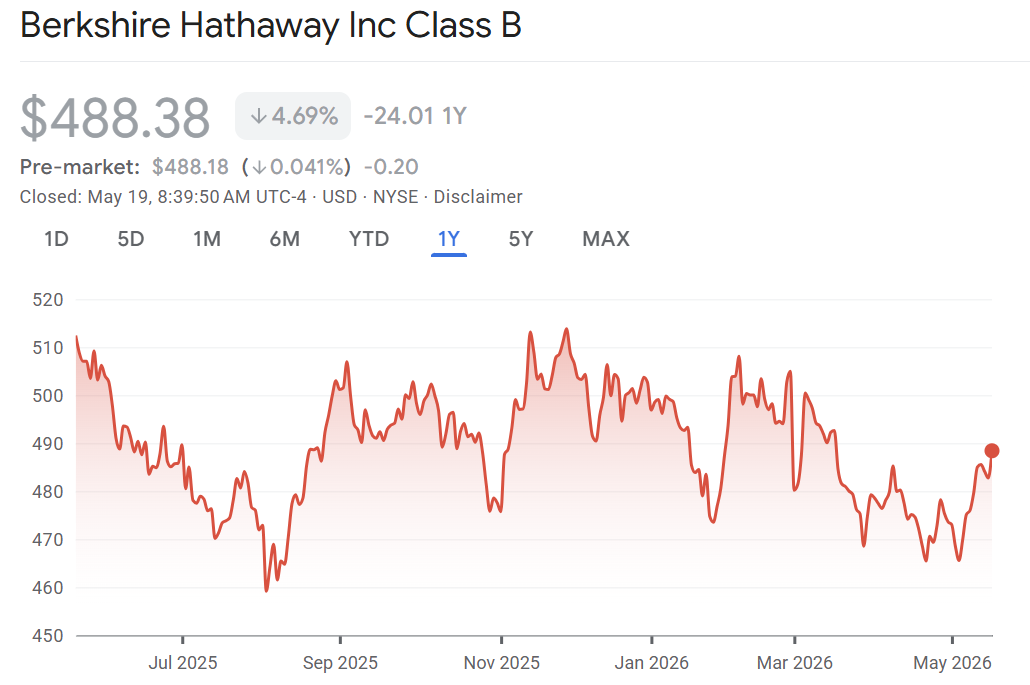
Santa’s backyard: Agnico Eagle has given the greenlight to begin developing the Hope Bay mine in the arctic pledging the spend $2.4 billion. Agnico Eagle acquired the project in 2021 after Canada blocked Chinese efforts to purchase the asset. Prime Minister Mark Carney’s government issued a statement alongside the decision lauding it as Canada taking control of its own destiny. “In a moment of global uncertainty, Canada is focusing on what we can control: building big things and unlocking our natural resource wealth,” read a statement from Natural Resource Minister Tim Hodgson concurrent with Agnico Eagle’s decision.
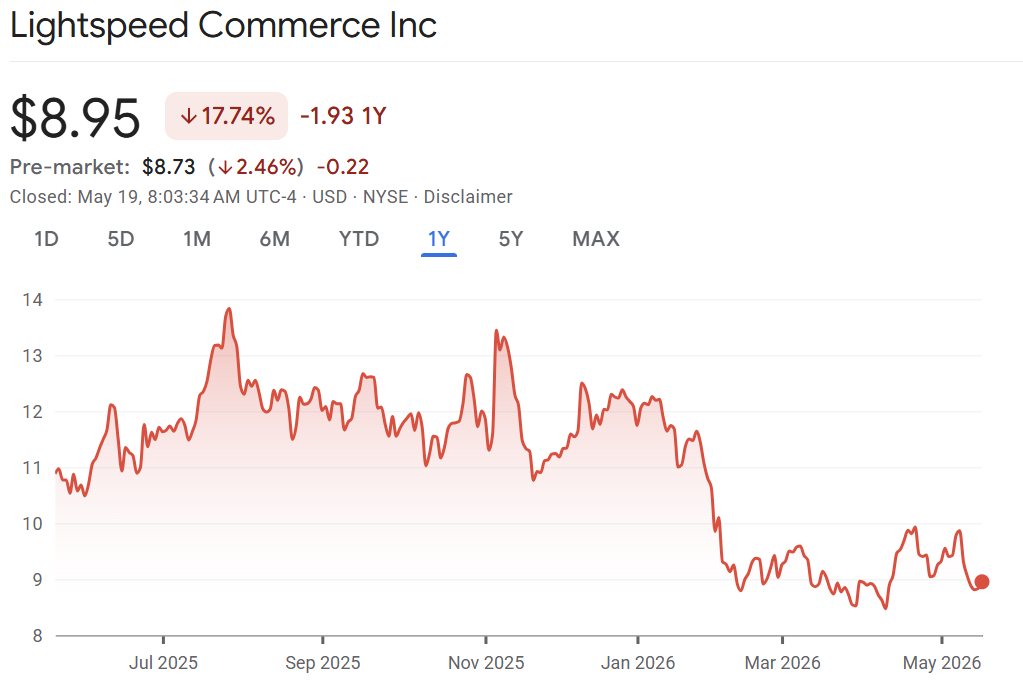
Slow speed: Lightspeed was reinstated with an underperform at Bank of America calling the setup “tough” amidst a strategic pivot. Lightspeed reports results Thursday morning. “Despite trading at a discount to peers, the combination of a “noisy” transition story, muted net location growth, and macro sensitivity in retail and hospitality creates limited visibility into a near-term inflection,” wrote Bank of America’s Matt Bullock in the note. Lightspeed has struggled as it moves from being a general point-of-sale software company to specializing in North American retail and European hospitality – both end markets which have their challenges.
Don’t miss our next episode! Get your energy questions in NOW! Email questions@inthemoneypod.com