Top activist investments from Darcy Morris of Ewing Morris
Pro Picks: 3 Small-Cap Activist Targets
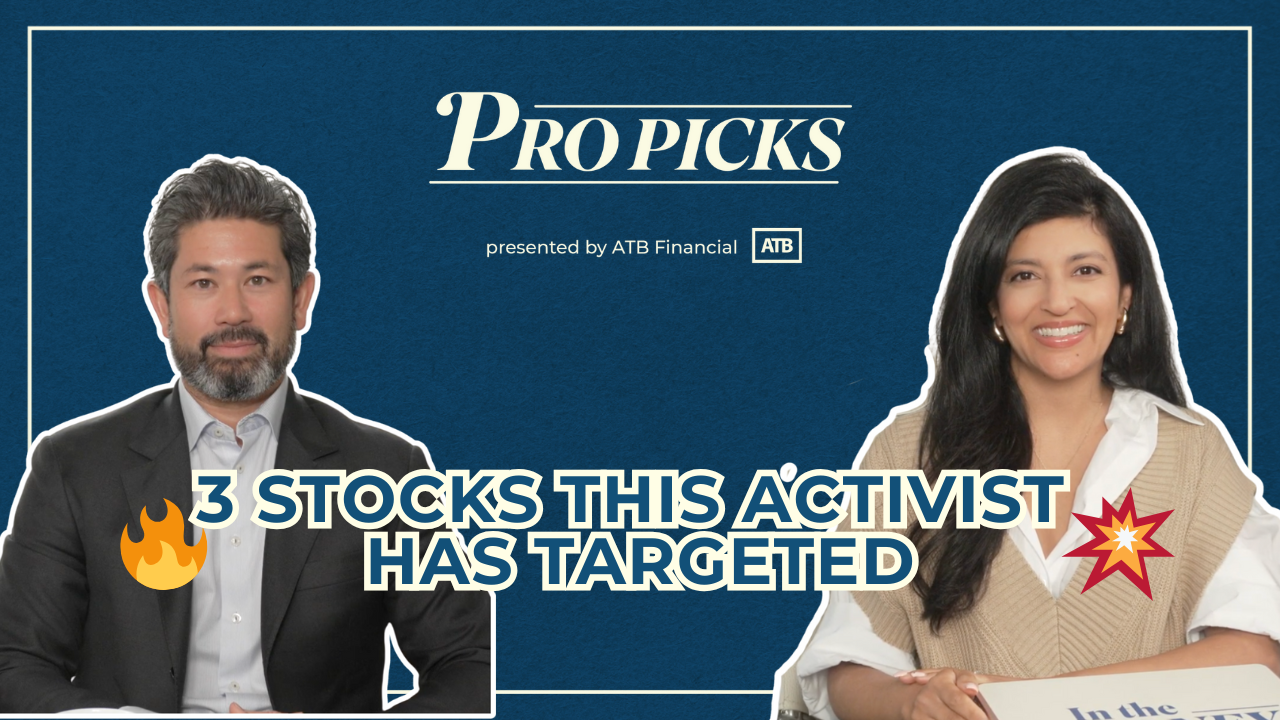
Activist investor Darcy Morris of Ewing Morris shares how he’s finding value in the market chaos. He unpacks his time arbitrage strategy, explains why Canadian small-cap and mid-cap stocks are ripe for opportunity, and reveals how activist investing can be a powerful tool when markets are irrational.
Pro Picks is brought to you by ATB Financial. With $62 billion in assets, ATB Financial is powering possibilities for more than 820,000 financial services clients in Alberta and beyond. ATB’s Capital Markets arm is a full-service investment dealer that offers investment and corporate banking, sales and trading, institutional research, and risk management. Visit www.ATB.com/inthemoney for more information
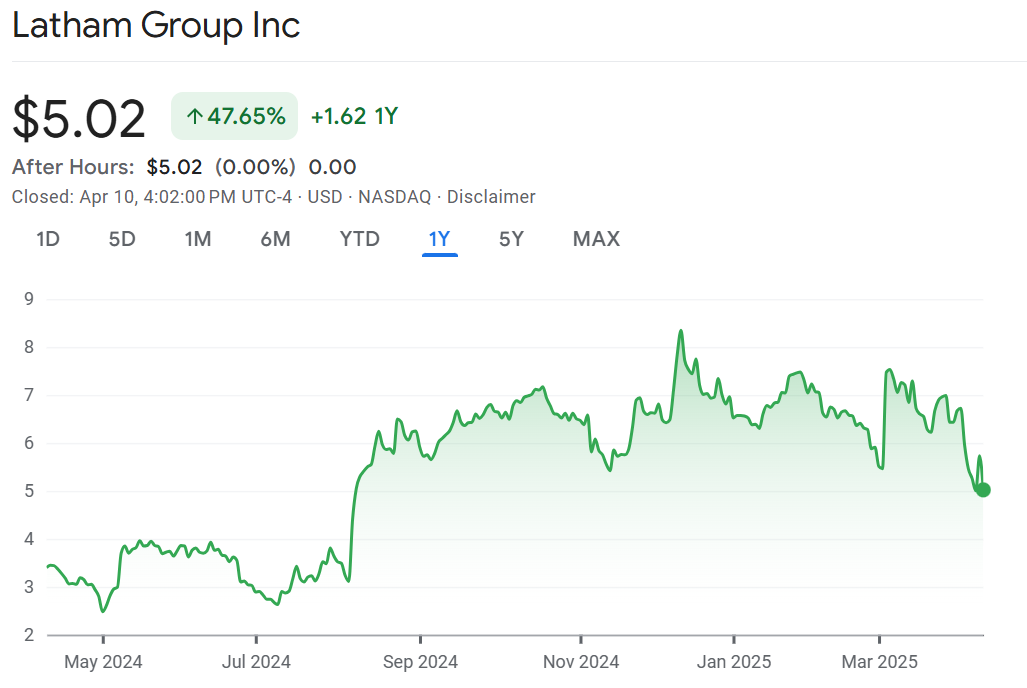
Latham Group (SWIM) – Fiberglass Pools with Staying Power
-
What It Does: Latham Group (SWIM) is the largest manufacturer of fiberglass pools in North America, holding about 50% market share. Its pools are a cost-effective alternative to concrete, installed in one day versus two to three weeks, with lower maintenance costs and aesthetics now rivaling traditional options.
-
Why Darcy Likes It:
-
Strong business model: Fiberglass pools are gaining share from concrete, even as overall pool starts remain below COVID peaks.
-
Exceptional management: Darcy’s team has visited multiple sites and trusts the leadership to drive growth.
-
Long-term potential: A “private equity-type” business, ideal for holding 3, 5, or 10 years, with buyout appeal if undervalued.
-
-
Upside Potential: Darcy estimates fair value at “at least twice” the current price, suggesting over 100% upside, though timing is uncertain.
First Capital REIT (FCR.UN) – Prime Retail Real Estate
-
What It Does: First Capital REIT (FCR.UN) owns Canada’s premier portfolio of grocery-anchored retail properties in high-density, high-income urban areas. These assets are stable, resisting e-commerce disruption due to last-mile grocery needs.
-
Why Darcy Likes It:
-
Best-in-class assets: Founded by Dory Segal, the portfolio is a “covered land play” with unmatched quality.
-
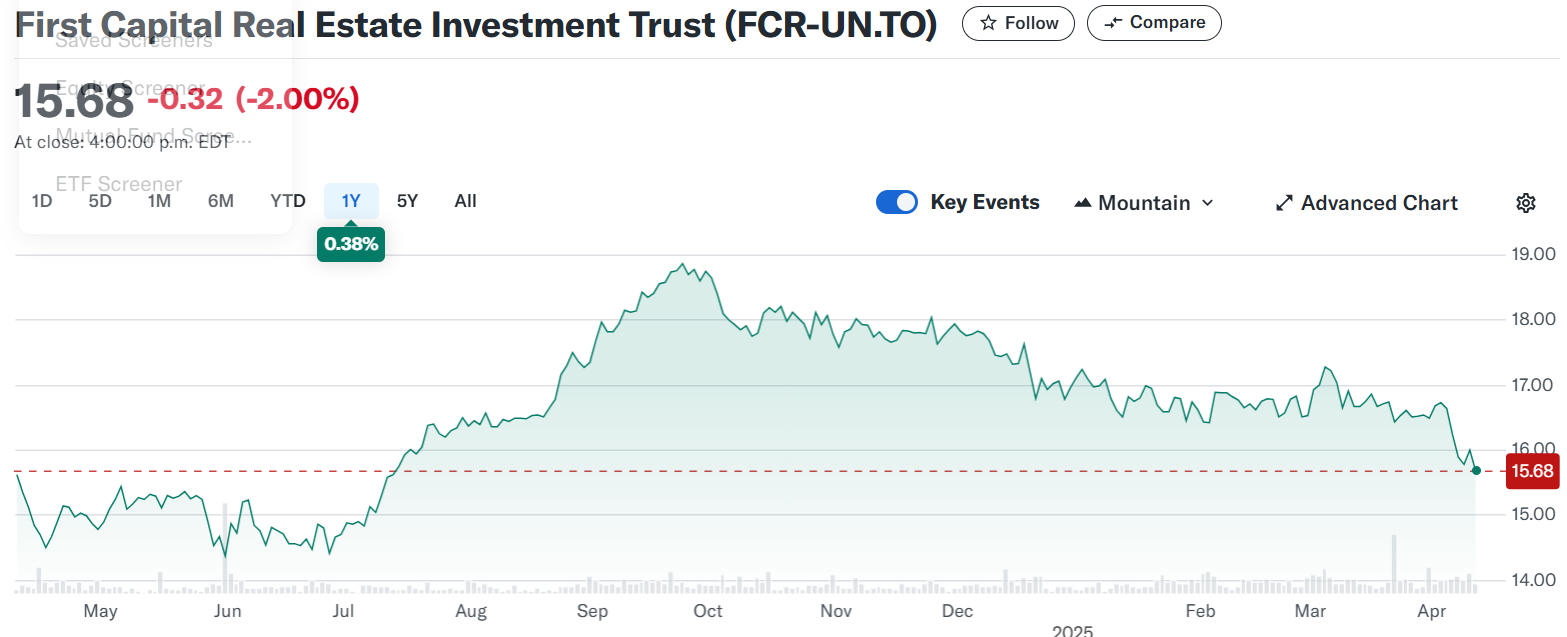
Market inefficiency: Public real estate markets undervalue assets compared to private markets, and First Capital traded at a 35% discount to net asset value when Ewing Morris invested.
-
Consolidation opportunity: Canada has too many retail REITs (double the U.S. per capita), and First Capital’s fragmented ownership makes it a prime acquisition target for synergies.
-
-
Activist Involvement: Ewing Morris engaged in a contentious fight, including Ontario Securities Commission involvement, to unlock value. They settled, adding two board members (Ira Gluskin and Richard Nesbitt), aligning incentives. Since then, it’s been the top-performing REIT in its sector.
-
Upside Potential: Darcy sees “real value” in a transaction, suggesting significant upside if acquired or revalued closer to private market NAV.
Parkland (PKI) – Fueling Growth with Challenges
-
What It Does: Parkland (PKI) operates gas stations and convenience stores across Canada, likened to a “baby Couche-Tard” for its retail fuel model.
-
Why Darcy Likes It:
-
Strong core business: Despite issues, Parkland has great assets and a solid foundation.
-
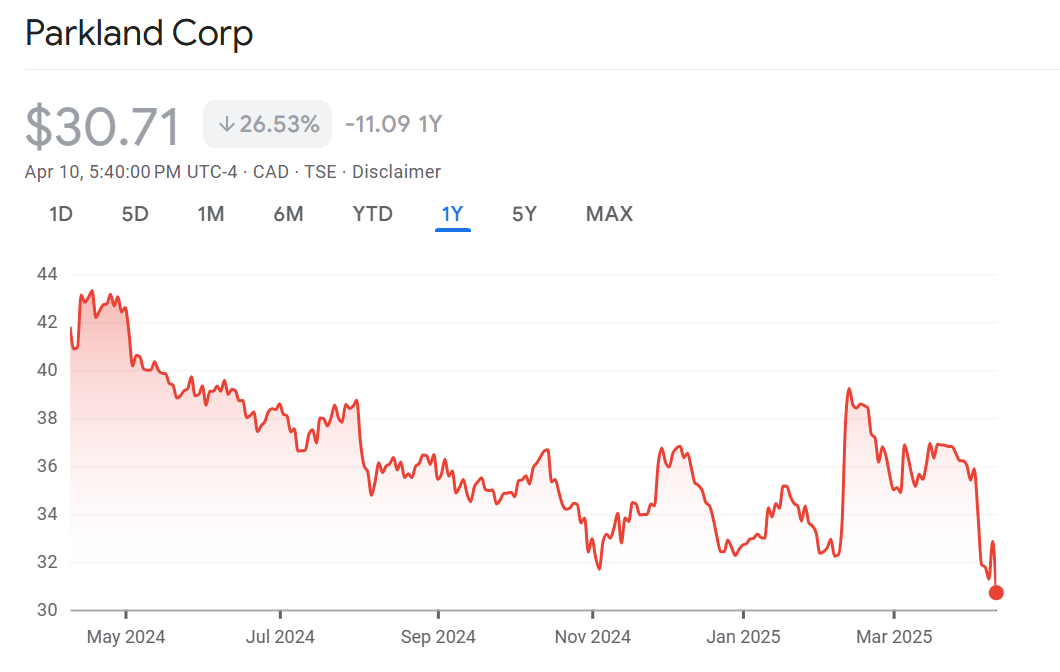
Undervaluation: Even at $40-$45, activists saw more potential; now at $30, Darcy believes it’s mispriced.
-
Strategic potential: A proper review could attract buyers, from operators to private equity.
-
-
Activist Involvement: Darcy aligns with Simpson Oil, a 20% shareholder pushing for nine new board members, the CEO’s ouster, and a strategic review. He criticizes management and board entrenchment, citing governance missteps and failed acquisitions.
-
Upside Potential: Darcy cautiously estimates fair value “well north of $40,” implying at least 33% upside from the current $30, with more possible via strategic changes.
DISCLAIMERS: The information provided in this podcast is for informational purposes only and does not constitute financial, investment, or professional advice. The views expressed by the host and guests are their own and do not necessarily reflect the opinions of any organization or company. The host and guests may maintain positions in any securities discussed on the podcast. Always consult with a qualified financial advisor or professional before making any investment decisions.