
On this episode of In the Money with Amber Kanwar we speak with Amber Fairbanks of Impax Asset Management to unpack the ESG backlash, the performance debate, and why she believes sustainable investing isn’t a label — it’s simply long-term investing done right. After years of inflows and hype, ESG has fallen out of favour, but Fairbanks argues the real opportunity may lie in focusing on durable secular trends, corporate culture, and risk management — not marketing buzzwords. From AI disruption to oil & gas exclusions, she explains where sustainability adds value, where it doesn’t, and why time horizon matters more than headlines.
Here are five things to know:
Tubthumping: US markets got knocked down but they are getting up again this morning with futures mildly higher. The TSX was insulated from the selling pressure thanks to gold and energy stocks. Indeed those sectors are off to a roaring start in 2026 with materials up 26% and the energy complex up 19%. Last week the energy sector made a record high for the first time since 2008. Yesterday’s anxieties in tech were driven by a new product update out of Anthropic which has been dropping little disruption bombs all over the place. This time Anthropic announced a new coding tool and shares of IBM fell 13%. This had traders talking about an article that has been making the rounds from Citrini Research (a Substack based thematic equity investing blog). Normally, blogs from nobodys don’t roil the markets. But after sustaining hit after hit from Anthropic category killers in software, investors are primed for bad news. The article titled “The 2028 Global Intelligence Crisis” is a memo in the future, 2028 to be precise. The unemployment rate is 10% and the S&P 500 is down 38% from the October 2026 highs. With the proliferation of AI “the human-centric consumer economy, 70% of GDP at the time, withered,” forecasts the blog, “We probably could have figured this out sooner if we just asked how much money machines spend on discretionary goods. (Hint, it’s zero.)” It’s a scary bedtime story which may or may not turn out to be true. I will point out that it doesn’t include innovations, new business and new opportunities that emerge from AI. Tonight we will hear from US President Donald Trump in the State of the Union. Settle in, Trump says its going to be a long speech.
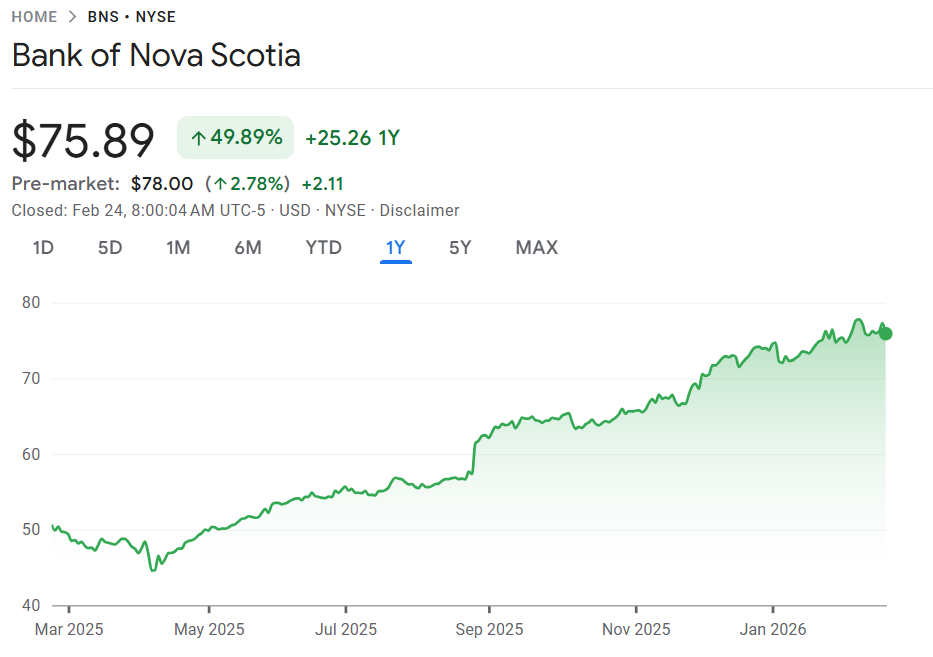
Bank beat: Bank of Nova Scotia kicked off bank earning season with a beat this morning and is trading higher in pre-market (New York chart below). Strength in its Canadian business, higher margins, revenues growing faster than expenses, and strength in capital markets were all bright spots. The blemish is that provisions for credit losses were higher than expected. This was the first question on the conference call. Company management stated provisions could be elevated in the first half of the year and come down in the latter half but wouldn’t be pinned down on specific targets. “While weakening domestic consumer credit provided a headwind, BNS managed to earn through this,” wrote John Aiken at Jefferies, “Overall, we believe that the market will cheer on the first results of the quarter.” They were asked about unrest in Mexico and said very clearly they have no exposure (through resort loans etc) and they expect unrest to be cleaned up by President Claudia Sheinbaum and note all their branches are open today.
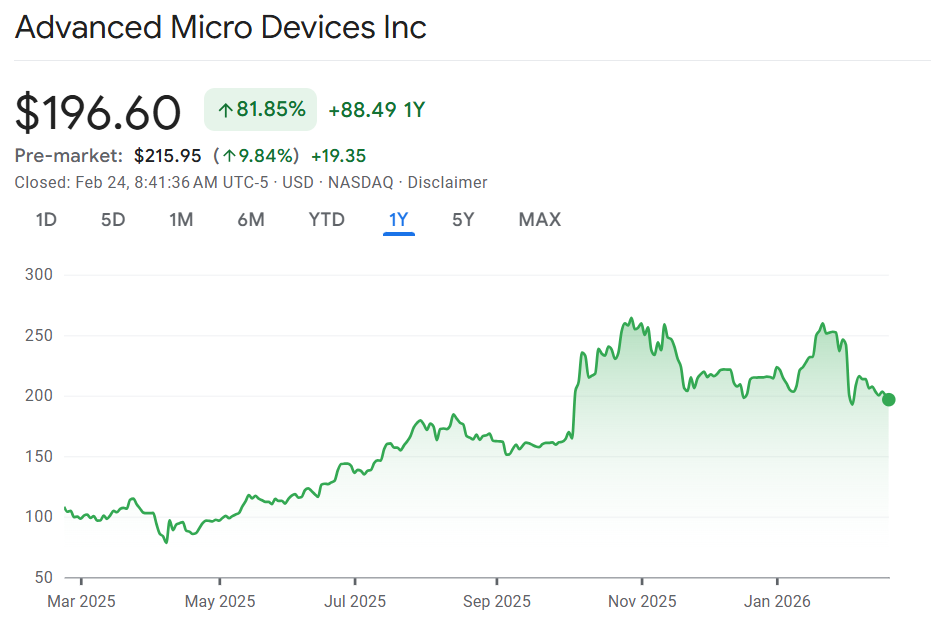
Facebook friends: Shares of AMD are soaring nearly 10% in pre-market after striking a chip deal with Meta just a week after the social media giant inked a similar deal with rival Nvidia. This suggests that these massive AI buildouts are an “all of the above” situtation when it comes to suppliers. The deal also includes performance based warrants that would allow Meta to own about 10% of AMD. So AMD supplies Meta and Meta takes an ownership in AMD based on chip sales and AMD’s stock going up. If you drew this relationship on a paper it might look like a circle, but I digress. The deal is similar to one AMD also struck with OpenAI.
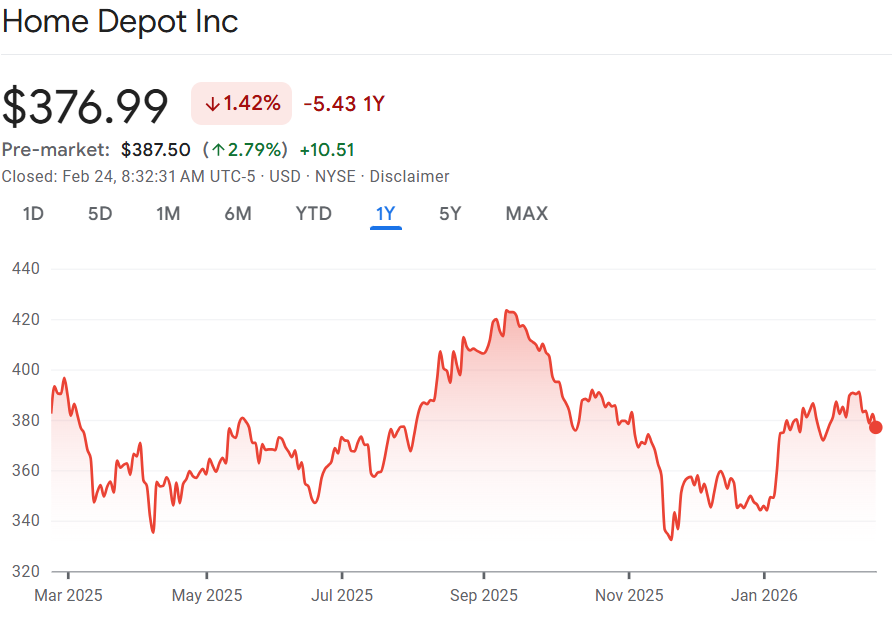
Hammer home: Home Depot is popping nearly 3% after sales unexpectedly grew and adjusted profit was higher than expected. Comparable same store sales increased 0.4% which was better than the 0.4% decline that was feared. The forecast suggests momentum, such as it is, can continue with Home Depot’s 2026 forecast calling for 0-2% growth. The results appear good enough for the stock today, but the jury is still out on whether real momentum is returning to the home improvement retailer against a backdrop of a sluggish US housing market. “Ultimately a breakout to $400+ is likely to need some macro fundamental improvements,” wrote Greg Melich of Evercore.
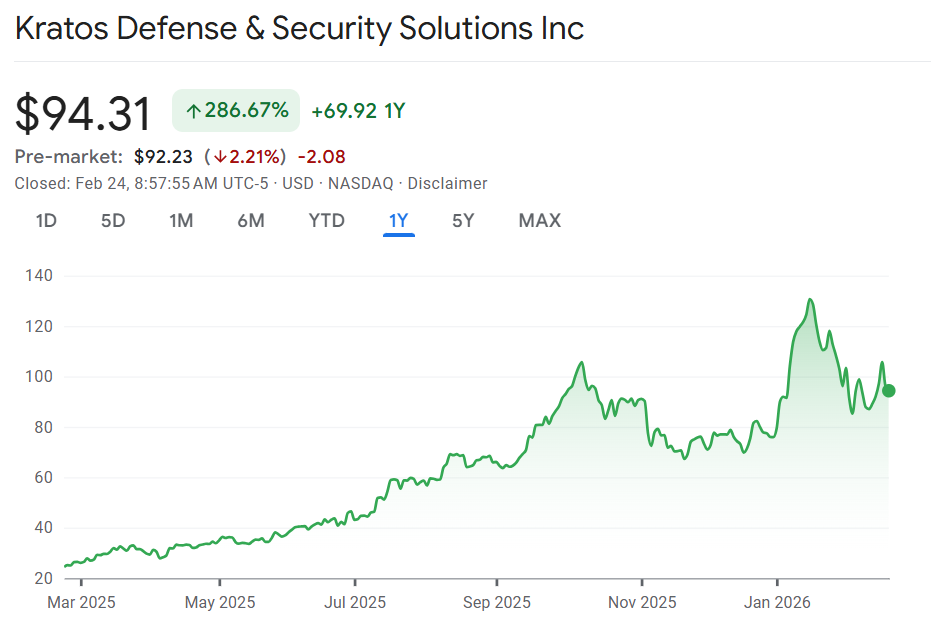
Shields up: Kratos is falling 2% in the pre-market after the defense contractor’s forecast for sales disappointed investors. Shares have been on a tear over the last year up more than 285% over the past year. Recently, however, there has been some volatility. The reported results were higher than expected on both profit and sales. The trouble with the weaker top line growth forecast is that often these defense companies can’t explain why because their contracts with government are classified. “Capex is stepping up in 2026 (some push out from 2025) to support an array of growth opps across multiple product lines but the view is conservative in our view and does not contemplate potential gov’t funding,” wrote Michael Ciarmoli of Truist in a note to clients.
Don’t miss our next episode!! Get your questions in NOW email questions@inthemoneypod.com