

Pro Picks is brought to you by ATB Financial. With $62 billion in assets, ATB Financial is powering possibilities for more than 820,000 financial services clients in Alberta and beyond. ATB’s Capital Markets arm is a full-service investment dealer that offers investment and corporate banking, sales and trading, institutional research, and risk management. Visit www.ATB.com/inthemoney for more information.
- During the crisis, nearly every public asset class (stocks, bonds, hedge funds, real estate) crashed hard, while private equity largely delivered what it promised.
- Institutional investors realized private markets provided the reliability they expected, sparking a “sea change” in perception.
- This crisis solidified private equity’s reputation – ironically, a “bad reason” (market meltdown) led to a very good long-term outcome for the asset class.
The Vanishing Public Companies – Why You Need Private Exposure
- The number of listed U.S. companies has roughly halved over the past 20 years due to heavy regulation and convoluted governance.
- Massive private capital availability means companies like OpenAI ($500B valuation) and SpaceX ($800B round) can stay private far longer – no need for public liquidity.
- Going public now often signals limited upside left; investors miss the growth phase unless they access private markets.
Performance Edge and Current Dynamics
- Over 20+ years, private equity has beaten public equities, but the last couple of years lagged due to the “Magnificent 7” AI-driven public rally.
- Private credit, however, has consistently outperformed public credit every year for the past two decades.
- No bubble in private credit – underwriting remains solid, growth is sustainable as it takes share from banks and public debt.
AI Opportunities Lie Mostly in Private Markets
- Public markets reward the “power plant builders” (big LLM players like Google, Meta); private markets reward those who distribute and use the power.
- Private companies can rapidly adopt and iterate on AI (changing every 6 months), while public firms face multi-year budget cycles and earnings pressure.
- For diversified AI exposure beyond chips/LLMs, private markets (venture, growth, buyouts) are essential – and those winners will stay private longer.
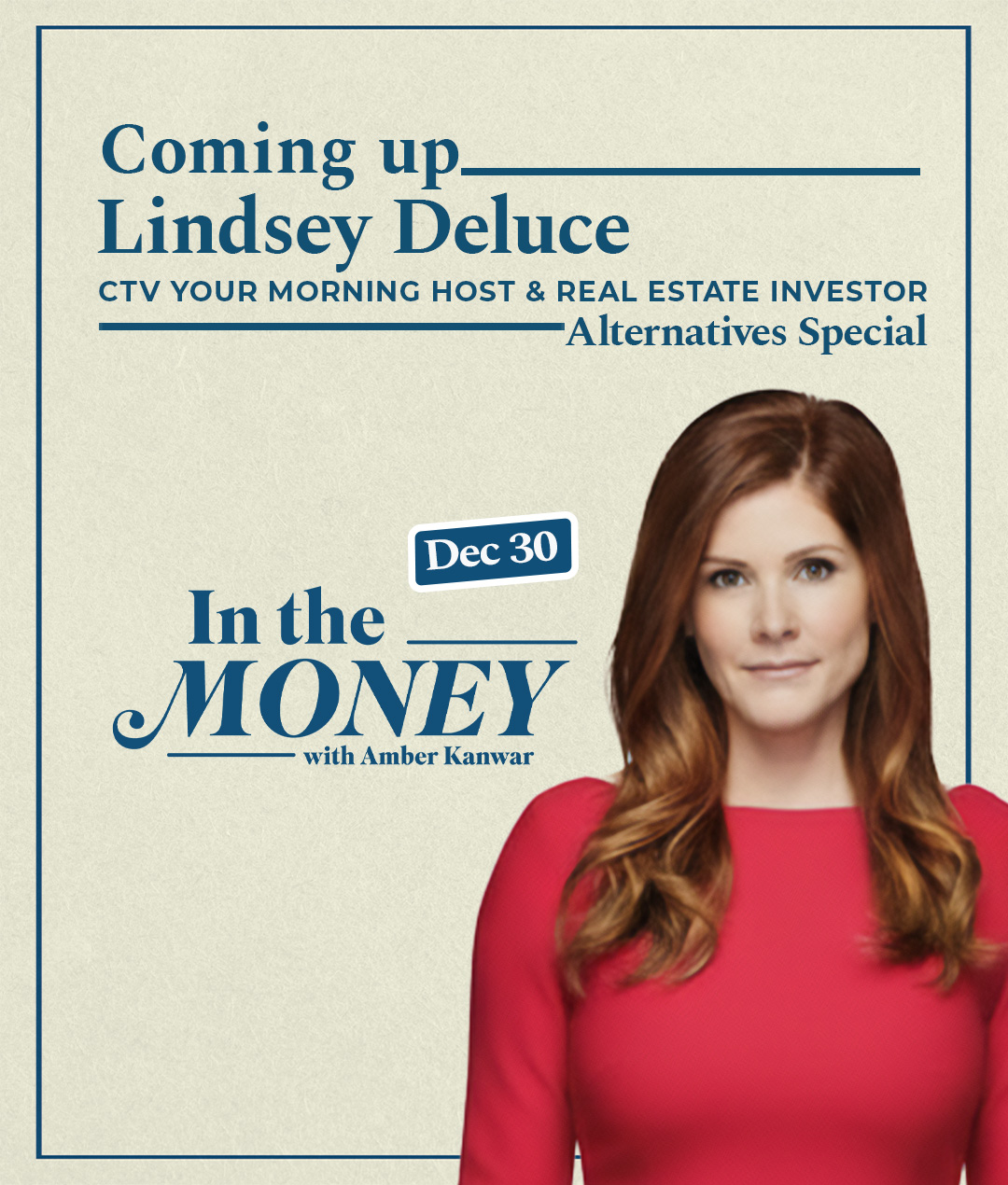
Don’t miss our next episode focusing on building wealth in real estate from a TV star by day (actually painfully early morning) and low-key mogul the rest of the day.
DISCLAIMERS: This text AI generated, human edited. The information provided in this podcast is for informational purposes only and does not constitute financial, investment, or professional advice. The views expressed by the host and guests are their own and do not necessarily reflect the opinions of any organization or company. The host and guests may maintain positions in any securities discussed on the podcast. Always consult with a qualified financial advisor or professional before making any investment decisions.