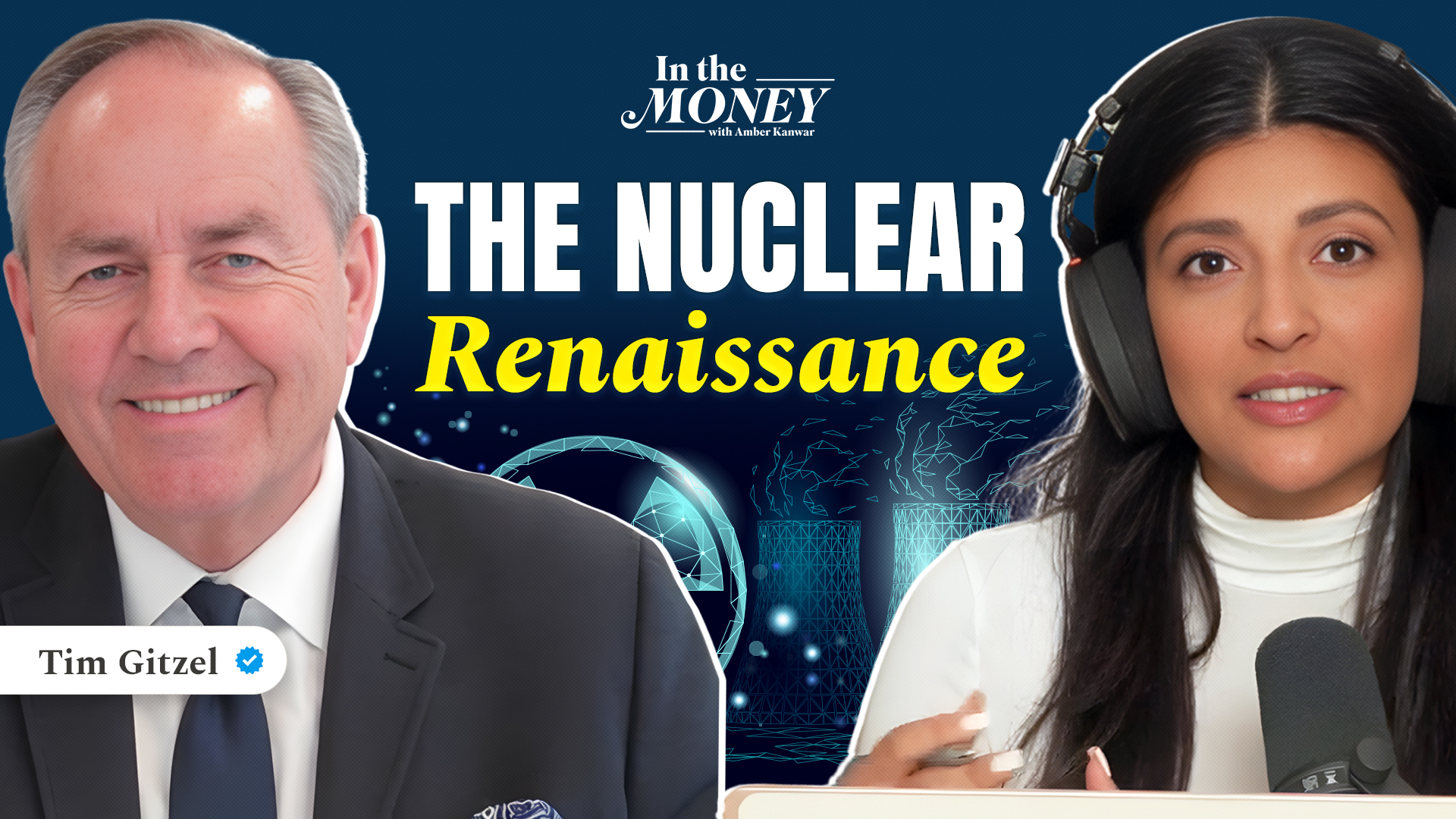
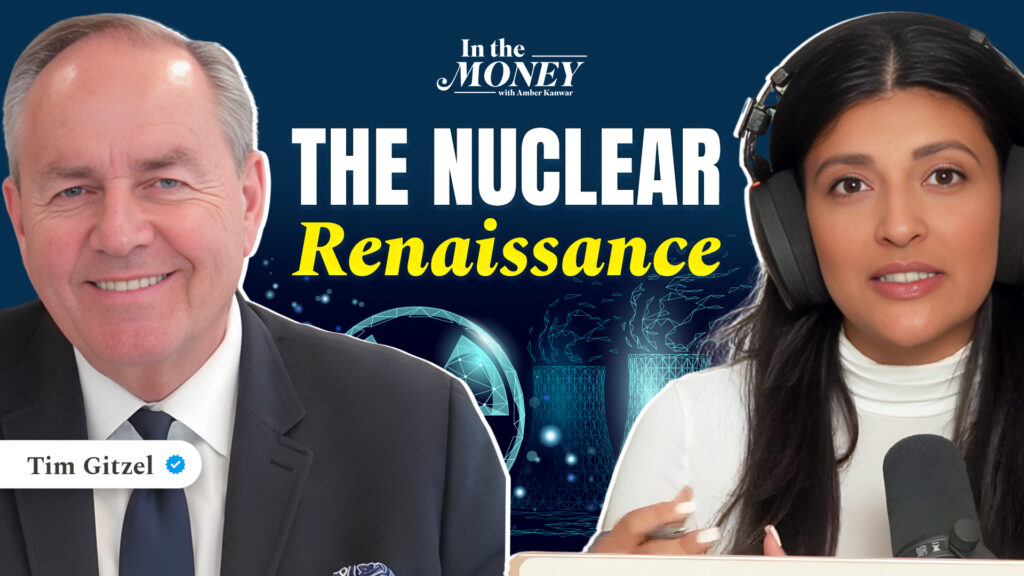
The nuclear story has completely flipped — and according to Cameco CEO Tim Gitzel, this is now the strongest market he’s seen in over 40 years. In this conversation on In the Money with Amber Kanwar, Gitzel explains why uranium and nuclear energy have gone from a post-Fukushima downturn to a full-scale global comeback. He walks through the turning points — from the shutdown of Japan’s reactors and a decade-long bear market, to today’s surge driven by climate goals, energy security concerns, and rising geopolitical tensions. As countries rethink their dependence on foreign energy and fragile supply chains, nuclear power is moving back to the center of the global energy mix.

Are you nervous about investing in tech because it’s dominated by just a handful of mega-cap stocks? Hamilton ETFs has a smart, low-cost solution with their new Hamilton Champions US Technology Index ETF (QMVP), which focuses on the most profitable tech companies rather than the largest by market cap. For more information on QMVP and the Hamilton Champions suite, visit www.hamiltonetfs.com.
Tardy today. Husband is down with a cold. I managed to get the kids off to school in mostly one piece and on-timeish. Even managed to get them a gas station breakfast on the way. And the newsletter is only 15 minutes late. Calling it a win.
Here are five things to know today:
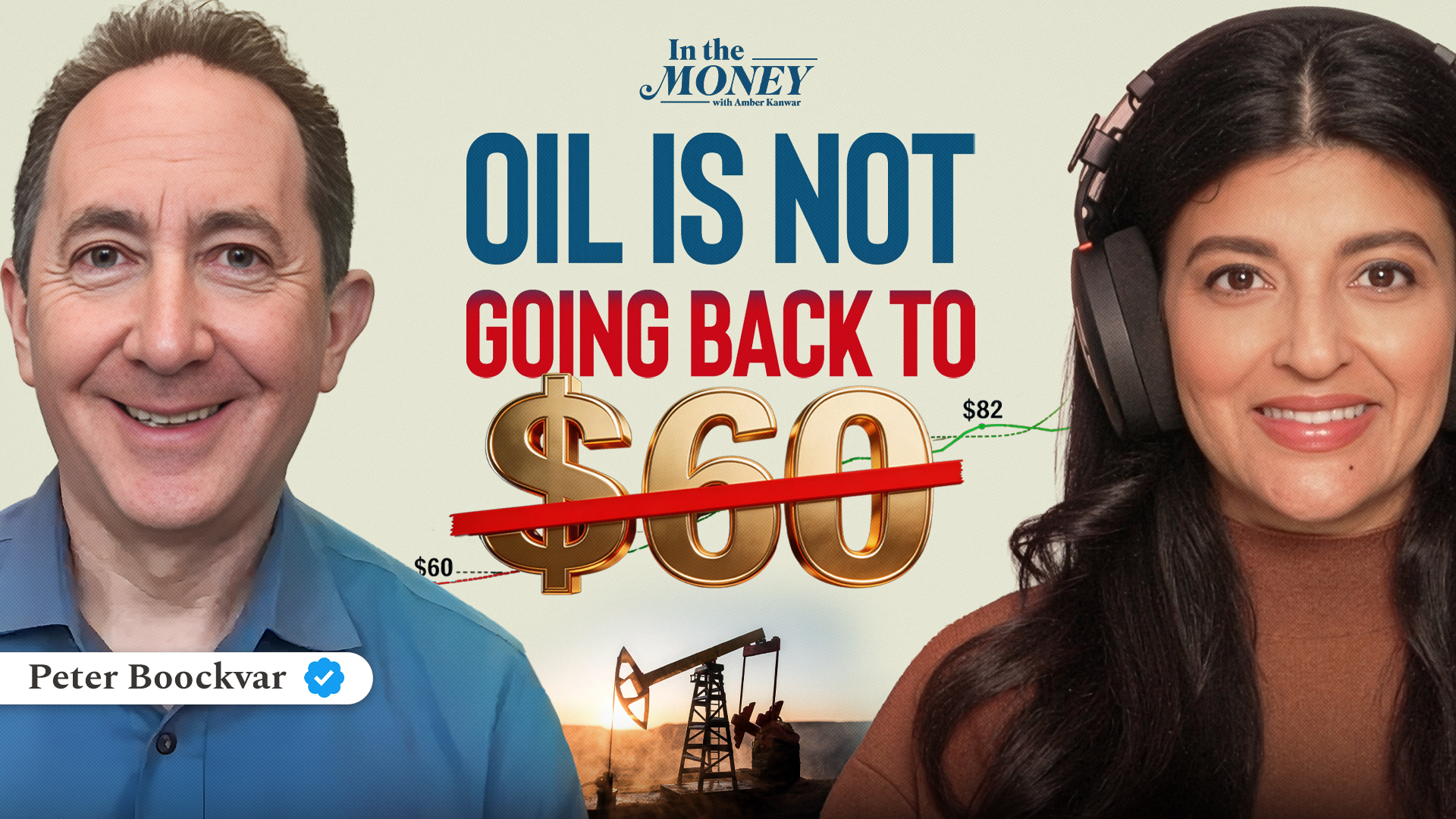
My work is done here: Stocks are surging after US President Donald Trump posted that he’s fine to leave the war even without the Strait of Hormuz opening. “You’ll have to start learning how to fight for yourself, the U.S.A. won’t be there to help you anymore, just like you weren’t there for us,” he said in a post on Truth Social, “Iran has been, essentially, decimated. The hard part is done. Go get your own oil!” Crude oil is holding on to its gains, but is essentially flat this morning. So to summarize the US and Israel attacked Iran, oil prices surged 55%, everything from fertilizer, LNG to aluminum has seen supply shocks due to damage from the war, the regime in Iran remains essentially unchanged and possibly radicalized and the US is saying, “My work is done here.” The sharp move in the stock market shows how much the market wants the war to end. Even with the US retreating, reducing the damage isn’t like flipping an on-off switch. Perhaps that is why oil isn’t selling off. Although it is also being supported by reports that an Iranian drone hit a Kuwait tanker. “I’ll argue again, that when this war is over and the Strait is fully reopened without threat, crude oil is not going back to the $65 range it was before it started,” said Peter Boockvar of Bleakly Financial Group, “At around $65 I believed it was one of the cheapest assets in the world and US oil production was no longer a growth story and that remains the case.” He’ll be on the podcast on Thursday.
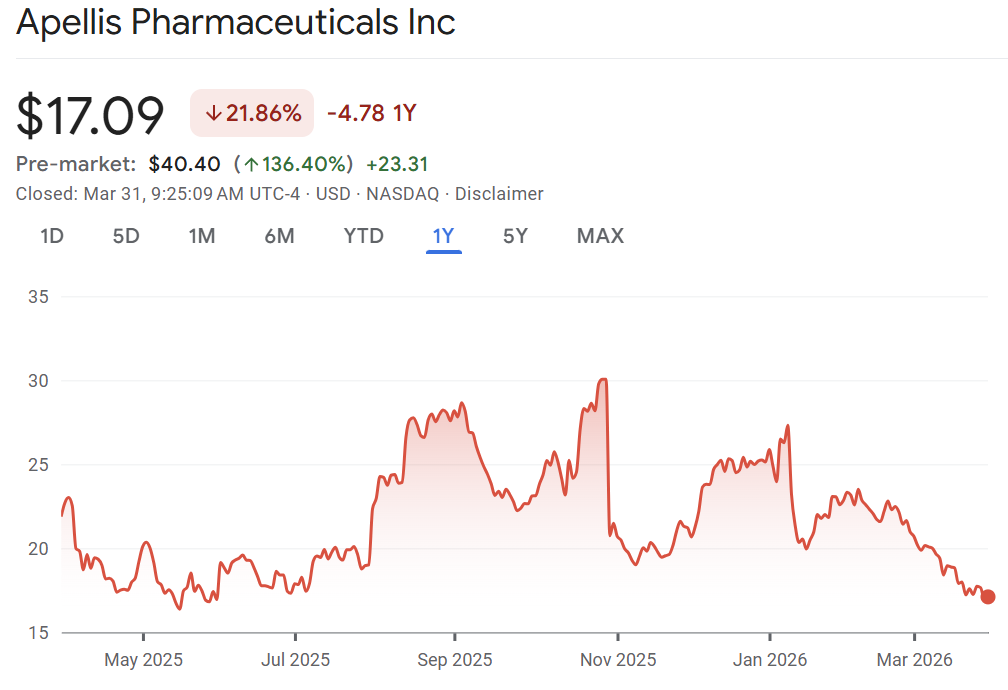
Drug deal: Biogen is buying Apellis Pharma in a deal valued at $5.6 billion in its one of its biggest acquisitions ever. The offer is $41 share which is 141% premium to where the stock closed yesterday. The deal gives Biogen access to two approved drugs, one that treats an immune disorder that leads to blindness and another that treats a blood disorder. Before this deal was announced, shares of Apellis had dropped 32% and were trading around an 8-month low. “The market punished (Apellis) because of competition in the multibillion $ Geographic Atrophy (GA) market for its drug Syfovre (the immune disorder drug). But ignored the growth emerging in two rare disease indications, plus a late-stage pipeline in 2 others that will get to market over the next couple of years. Furthermore, it will turn profitable by 4Q this year,” said Eden Rahim of NextEdge in an email to me this morning, “The significant +140% premium is a reminder of how consistently the market undervalues or mis-values biotech companies vs what their worth is to another biotech company…” Rahim named many takeout candidates when he was on the podcast, check it out!
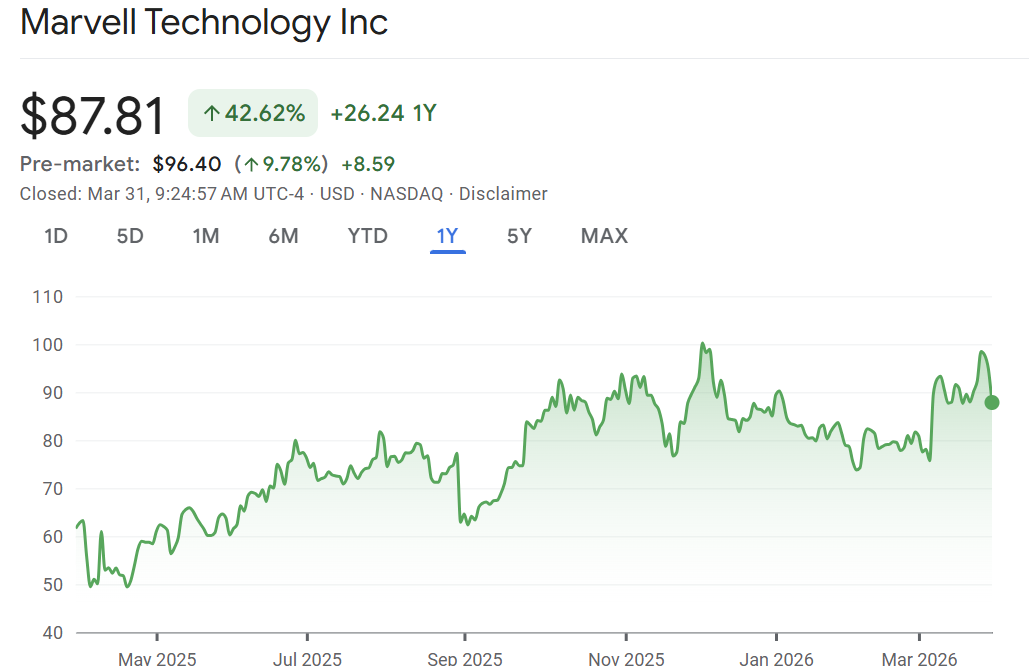
Cashing in the chips: Marvell is surging 9% in the pre-market after announcing a $2 billion investment from Nvidia. The deal aims to connect Marvell’s AI networking chips to Nvidia’s AI Factory. Nvidia makes ready-to-use AI chips whereas Marvell’s solution offers customization. They are often thought of as rivals but Nvidia’s stake in the company shows that both can work together in the AI race. The deal will allow customers to use components from both companies to develop customizable AI infrastructure. Win win.
All in: Sun Life is tripling down on asset management in a trio of deals announced. Sun Life announced it will buy out the remaining stake of BGO and Crescent Capital it doesn’t own as well as acquire Bell Partners in a total of $2 billion worth of deals. This shows that the insurer is making a greater push in the asset management space – something CEO Kevin Strain talked at length about when he was on the podcast last summer. “These transactions increase exposure to fee-based earnings and enhance SLC’s multifamily real estate capabilities,” wrote TD’s Mario Mendonca after the deals were announced.
A little growth: Canada’s GDP grew more than anticipated in the month before the Iran War. Real GDP grew 0.1% in January and preliminary estimates suggest 0.2% expansion in February. Goods producing growth masked weakness in motor vehicle and parts manufacturing which contracted by the most since September 2021. “Well, this is a pleasant surprise, for a change. Canadian real GDP was firmer than expected in the first two months of the year, despite a seemingly endless winter and a slew of weak headline results from manufacturing and employment early in 2026,” wrote BMO’s Doug Porter, ” In effect, today’s decent results in the pre-war period offset what likely would have been a moderate growth trim for the spring, leaving the 2026 outlook more or less in place at a very modest 1.0% pace.”
Don’t miss our next episode! Get your questions in now! Email questions@inthemoneypod.com