Mike Vinokur thinks a market washout could be just two to four weeks away—and that may be the time to buy. The Portfolio Manager & Senior Wealth Advisor at Propellus Wealth Partners with iA Private Wealth has raised cash to nearly 30% in his growth portfolio as the S&P 500’s double-digit gain masks a much uglier market underneath. High-quality stocks are down 20%, 30% and even 40%, and Mike joins Amber Kanwar to explain why he thinks more pain could be coming before a potentially compelling buying opportunity emerges.
Pro Picks is brought to you by ATB Financial. With over $100 billion in assets, ATB Financial is powering possibilities for more than 843,000 financial services clients. ATB Cormark Capital Markets is a leading North American investment firm providing holistic corporate and capital markets advice and full-service financial solutions. Visit www.ATB.com/inthemoney for more information.
Mike’s picks from May 6, 2025 all made money, and one was taken over.
- Alphabet (GOOGL): nearly doubled. He bought around $160, when “search is dead” was the consensus, and sold around $285–290 roughly six months later. He’s not getting back in. Alphabet has gone from a free cash flow machine to burning cash on AI, and he can’t see the return on that spending. “Do you have a margin of safety at the current price? Not in our opinion.”
- Air Lease (AL): taken out, up 16%. Acquired by a consortium led by Sumitomo.
- Lincoln National (LNC): up 30%. Still owns it. A 125-year-old life insurer trading below book value at under five times forward earnings, with a roughly 4.5% dividend yield. A big capital injection from Bain and cost cuts under a new CEO have left it well capitalized. He sees earnings reaching $10 a share in the next couple of years.
Mike Vinokur’s Pro Picks
1. Amazon (NASDAQ: AMZN)
- The awkward part: it’s spending heavily on AI, just like the Alphabet he sold
- Why it’s different: a more diversified business than Alphabet, which still leans on search
- Valuation: looks pricier than Alphabet on forward earnings, but he argues different businesses deserve different multiples
- Thesis: Amazon has become the default place to buy anything. Retail barely makes money, but it builds a network of hundreds of millions of customers that Amazon keeps monetizing through Prime, Prime Video, Music, advertising and, the “big nugget,” Amazon Web Services. If both companies stopped spending on AI tomorrow, Mike thinks Amazon’s free cash flow comes from more places, so he’d pay a slightly higher multiple for it. “It’s not that I don’t like Alphabet as a business. It’s just purely a valuation call.”
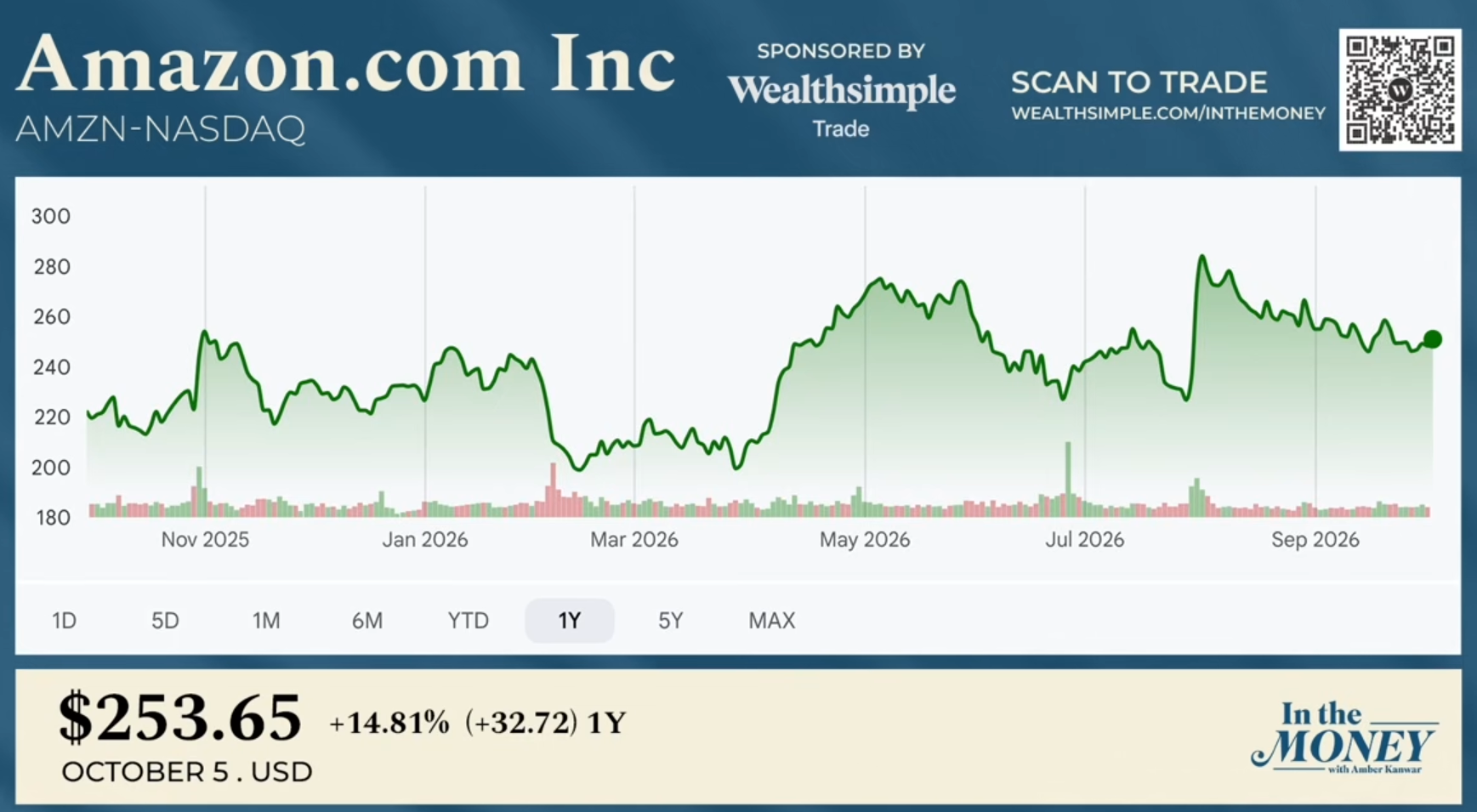
2. Uber (NYSE: UBER)
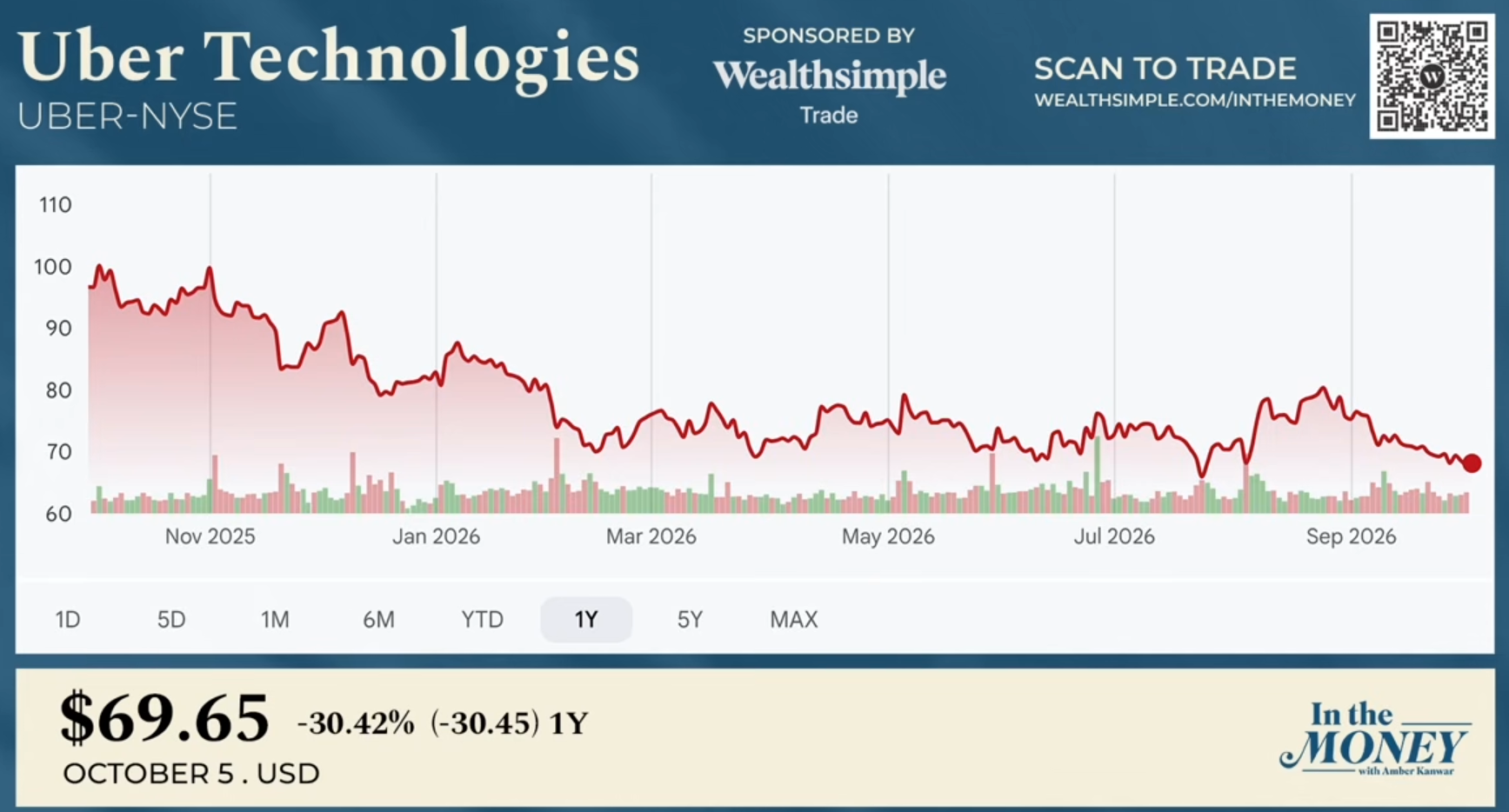
- Performance: down about 30% from its 2025 peak and down on the year
- Market cap: about US$150 billion, with roughly US$16 billion left on its buyback
- Reach: 80 to 90 countries; about 50 million of its roughly 500 million users are loyal users who drive a large share of revenue
- Thesis: a tech stock that hasn’t joined the rally because it’s consumer-facing and “small” next to trillion-dollar giants, making it “almost like a forgotten child.” In network-effect terms, he calls it “a colossus.” CEO Dara Khosrowshahi has reinvigorated the company with strong free cash flow, accelerating buybacks and tuck-in deals, including the pending Delivery Hero deal. The smartest move: dropping its own self-driving program to partner with every autonomous vehicle developer, so it wins whoever wins. New services like ordering your Costco run through the app show how it keeps finding new revenue on the same platform.
3. Talen Energy (NASDAQ: TLN)
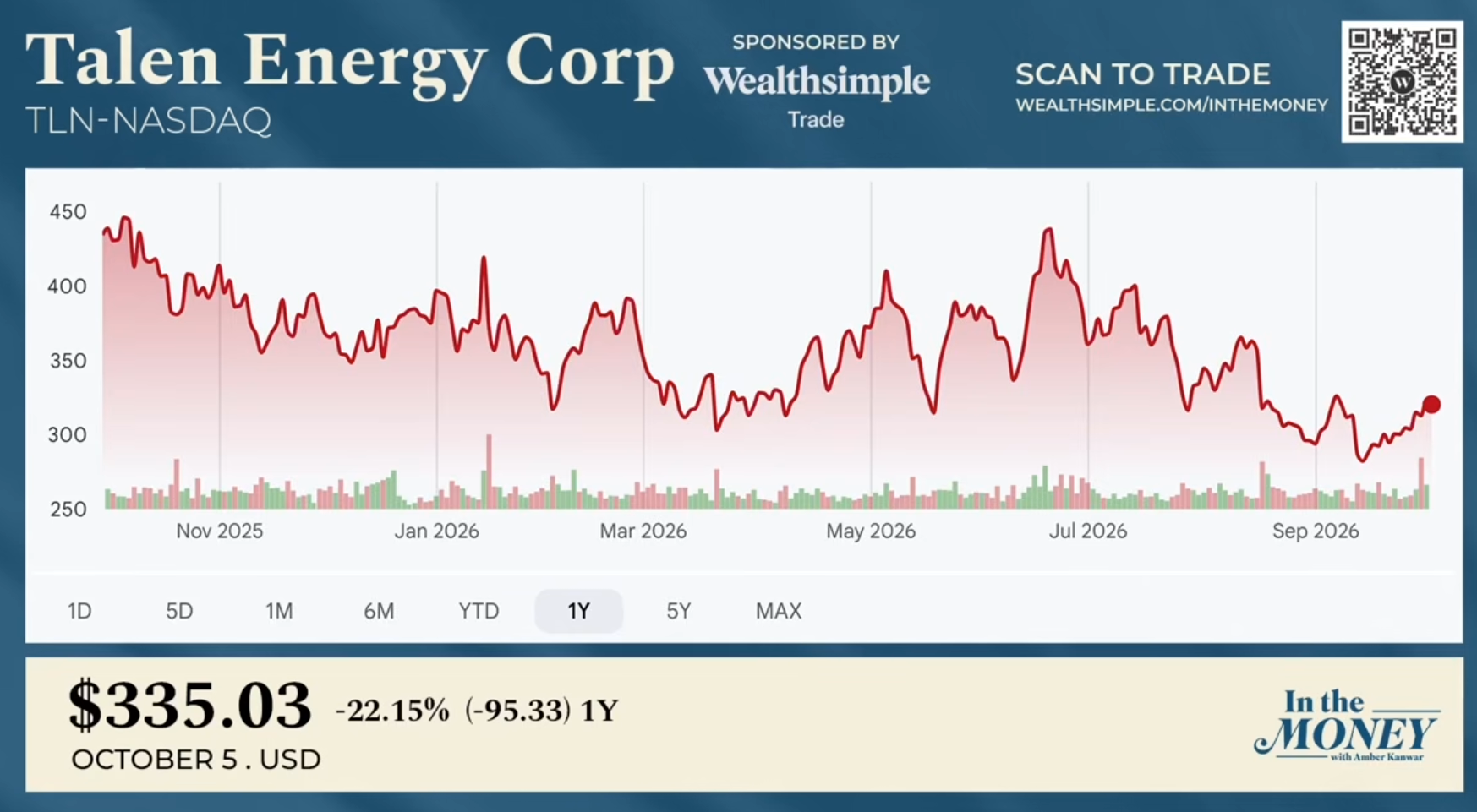
- Performance: a hot stock in 2025, volatile since, and down on the year
- Free cash flow: management projects $40+ per share by 2028
- Valuation: about 7.5 times that projected free cash flow
- Hedging: a big portion of its power is hedged through 2026 and, he believes, 2027
- Thesis: an AI-adjacent play. Power demand grew only about 1% to 1.5% a year for two decades before 2020, and data centres are now pushing that growth sharply higher. Talen’s management assembled assets, some out of bankruptcy, recapitalized, made acquisitions and cut costs. The discount comes from political worry over rising power prices and data centres, plus the usual fear of utility-like stocks when yields rise. Mike thinks the stock will “climb that wall of worry.” “Not no risk on the downside, but lower risk on the downside and a pretty big upside potential.” His time frame is two to three years.
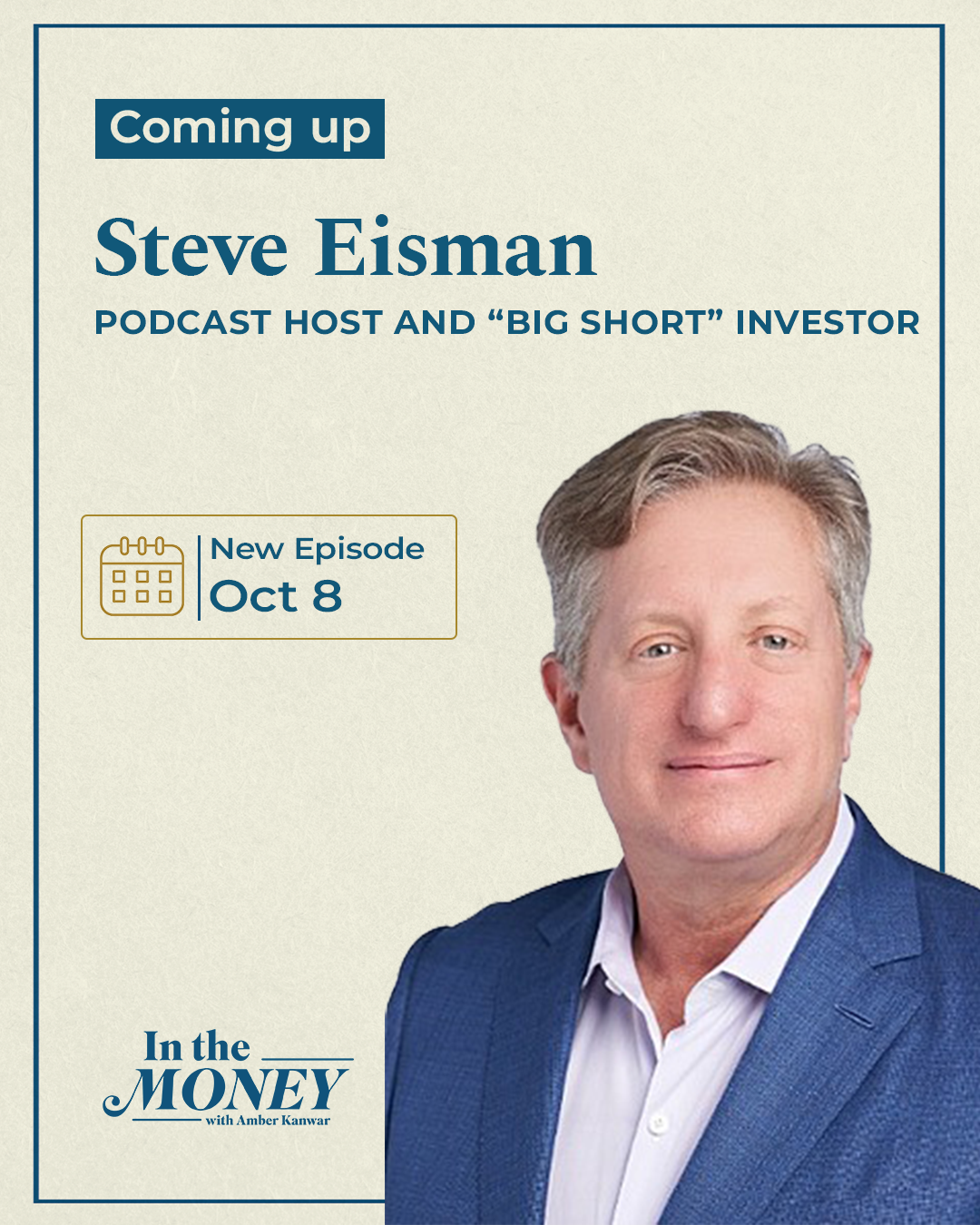
Don’t miss our next episode!
DISCLAIMERS: This text AI generated and should be checked against actual delivery. The content provided in this podcast is for informational purposes only and does not constitute financial, investment, or professional advice. The views expressed by the host and guests are their own and do not necessarily reflect the opinions of any organization or company. The host and guests may maintain positions in any securities discussed on the podcast. Always consult with a qualified financial advisor or professional before making any investment decisions.