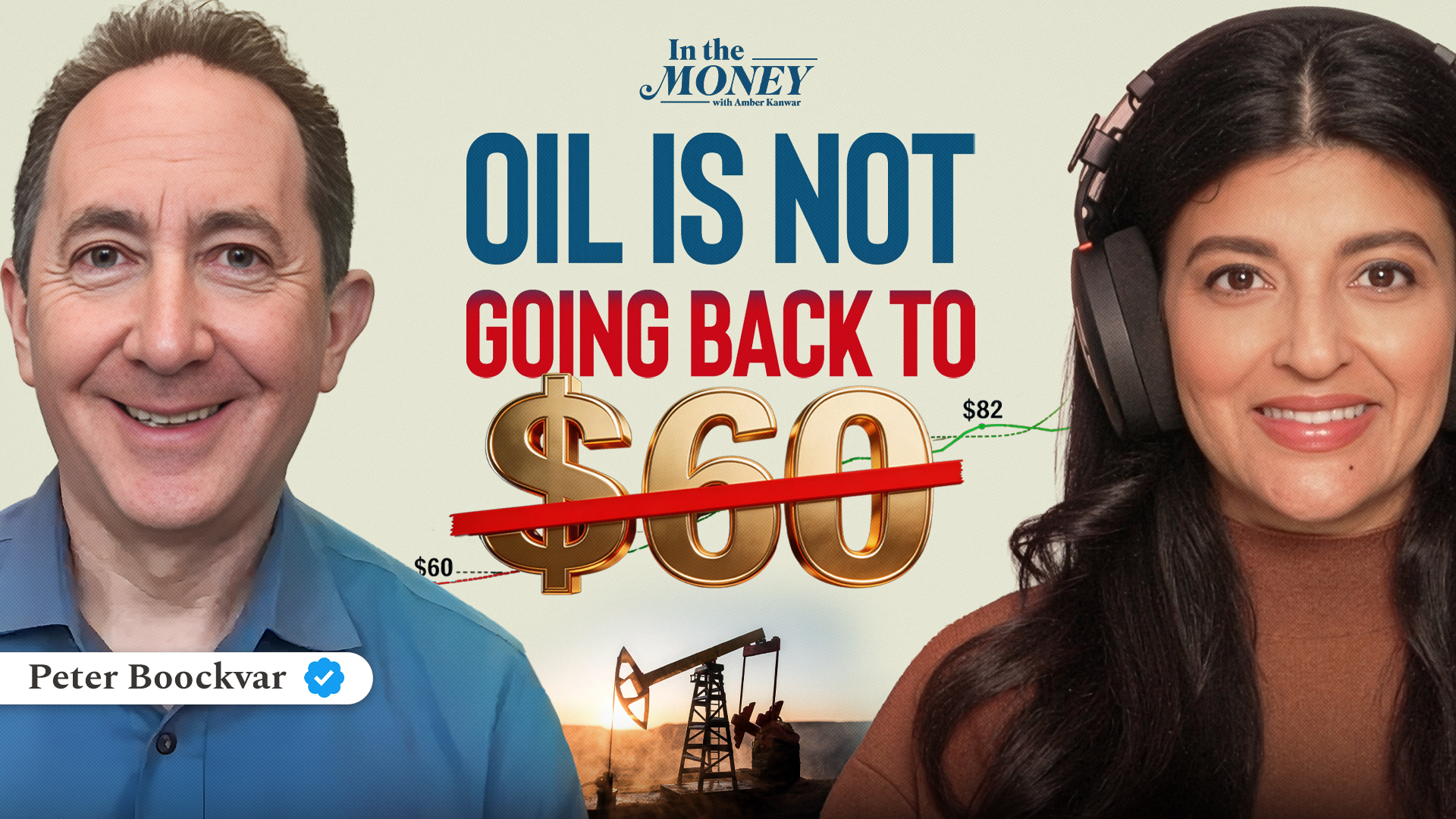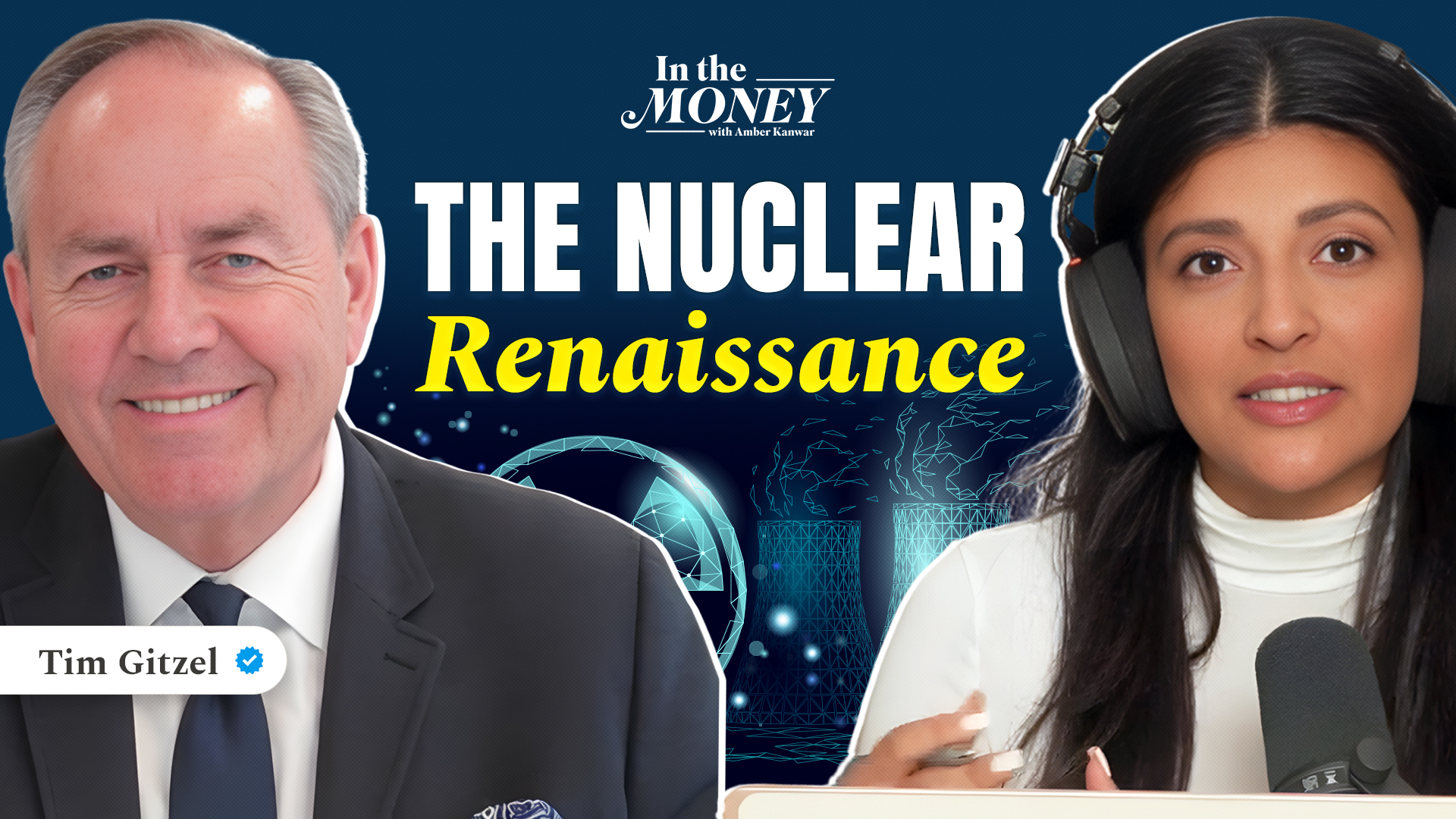
The nuclear story has completely flipped — and according to Cameco CEO Tim Gitzel, this is now the strongest market he’s seen in over 40 years. In this conversation on In the Money with Amber Kanwar, Gitzel explains why uranium and nuclear energy have gone from a post-Fukushima downturn to a full-scale global comeback. He walks through the turning points — from the shutdown of Japan’s reactors and a decade-long bear market, to today’s surge driven by climate goals, energy security concerns, and rising geopolitical tensions. As countries rethink their dependence on foreign energy and fragile supply chains, nuclear power is moving back to the center of the global energy mix.
This segment is brought to you by ATB Financial. With over $100 billion in assets, ATB Financial is powering possibilities for more than 843,000 financial services clients. ATB Cormark Capital Markets is a leading North American investment firm providing holistic corporate and capital markets advice and full-service financial solutions. Visit www.ATB.com/inthemoney for more information.
- The nuclear sector is experiencing its strongest conditions in over 40 years, driven by multiple converging factors including energy security needs, despite challenges like ongoing global conflicts and supply chain uncertainties.
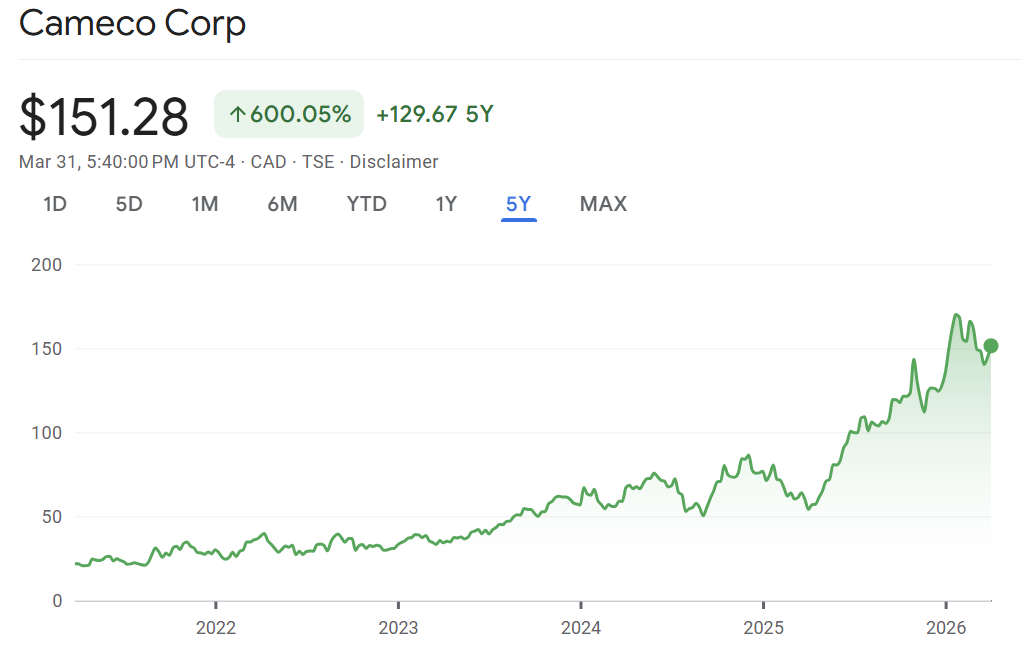
- Uranium producer Cameco has benefited significantly, with its stock surging approximately 600% over the past five years amid a broader industry revival.
- Global reactor fleet stands at about 440 operating units, with ~70 under construction and ambitious targets to reach 1,200–1,300 by 2050, supported by commitments from over 30 countries at COP28.
Post-Fukushima Impact and Recovery
- The 2011 Fukushima disaster triggered a decade-long downturn (“thin soup”), with uranium prices crashing from $73/lb to $17/lb by 2017, leading Cameco to shut major mines (MacArthur River, Key Lake, Rabbit Lake) and lay off thousands in a heartbreaking period for Saskatchewan communities.
- Many countries, including Germany, scaled back nuclear plans, and Japan idled nearly all 54 reactors (only ~15 operating 15 years later); the industry faced prolonged retrenchment until climate goals and energy security concerns revived interest.
- Gitzel stayed as CEO through the lean years out of loyalty to employees and communities he grew up with, focusing on preserving the company by leaving high-grade pounds in the ground for better days.
Status of the Westinghouse Deal
- Cameco owns 49% of Westinghouse (with Brookfield holding 51%), acquired in 2022 for ~$4 billion as a strategic move to integrate uranium mining/fuel supply with reactor design and services, creating a full-package offering for customers.
- A major U.S. government strategic partnership was announced, committing a minimum of $80 billion for Westinghouse technology to build new reactors in the U.S., including support via Japanese funding and executive orders aiming for 10 new reactors by 2029–2030.
- The term sheet is legally binding; work is advancing on long-lead items, site selection, and financing (with recent supplier meetings in Washington), described as “solid” and progressing daily, though execution involves some reversed sequencing to accelerate progress.
Impact of Iran War (and Broader Geopolitics)
- Recent conflicts, including disruptions in the Strait of Hormuz and energy market turmoil from the Iran situation, have heightened awareness of vulnerabilities in fossil fuel supply chains, pipelines, and shipping lanes.
- This builds on lessons from Russia’s 2022 invasion of Ukraine, pushing conversations toward nuclear as a secure baseload option that stores years of fuel on-site and operates reliably for 80–100 years without reliance on just-in-time deliveries.
- Geopolitical risks (e.g., Russian/Chinese dominance in building/operating plants abroad) are accelerating Western interest in domestic nuclear expansion for national and energy security.
AI and Data Center Energy Demand
- Explosive growth in AI, hyperscalers (Microsoft, Google, Meta, Amazon), and data centers is creating massive new electricity demand, with single facilities potentially consuming hundreds of megawatts (e.g., one announced project equaling 10% of Saskatchewan’s average daily use).
- Nuclear is positioned as a key solution for reliable, high-capacity, low-carbon power to support doubling the grid while decarbonizing; hyperscalers are restarting shuttered reactors and engaging on new builds, including potential SMRs or large units.
- This tailwind is expected to persist for decades, though it raises political tensions around electricity pricing and allocation between data centers and residential/commercial consumers.
Don’t miss our next episode!

DISCLAIMERS: This text AI generated and should be checked against actual delivery. The content provided in this podcast is for informational purposes only and does not constitute financial, investment, or professional advice. The views expressed by the host and guests are their own and do not necessarily reflect the opinions of any organization or company. The host and guests may maintain positions in any securities discussed on the podcast. Always consult with a qualified financial advisor or professional before making any investment decisions.