
Is Wall Street getting the AI threat to software stocks all wrong? When fears of a “SaaSpocalypse” sent software stocks plunging, Canadian tech company Kinaxis (KXS.TO) lost roughly 30% of its value. But according to its new CEO, Razat Gaurav, the business was actually getting stronger. With revenue doubling since 2023 and growing demand from global customers including General Motors, Unilever and Merck, Gaurav believes Kinaxis has the potential to double or even triple in size. He joins Amber Kanwar to explain why AI won’t replace the company’s supply chain software, how it’s using AI to accelerate growth, and why investors may be misunderstanding the future of enterprise software.

Looking to invest in high-quality companies without high fees? The HAMILTON CHAMPIONS™ suite of ETFs offers exposure to diversified portfolios of equity champions across tech, financials, utilities, and dividend strategies, all with a low 0.19% management fee, designed to help you stay invested with confidence for the long term. For more information on the HAMILTON CHAMPIONS™ suite, visit: www.hamiltonetfs.com/hamilton-
FROM AMBER’S DESK
Sorry I went quiet. Vancouver winded me, and then we took the whole family up North. Thank you to our sponsor, Haliburton Post House, a serene, exclusive executive retreat that bravely agreed to host my three children. After a few stern lectures on not behaving like wild animals, they were angels. We even enjoyed a five course meal – together, as a family. One hour and 57 minutes in their seats. Not a single glass spilled. A new personal record, and possibly a new one for the Post House.
Here are five things to know today
1.
Futures higher after ugly two weeks
Stocks are generally higher this morning following a two-week rout in AI stocks. The NASDAQ is down more than 5% from its record high. Concerns about capex spending and financing availability are weighing on the sector. Meta sparked concerns when it reported last week and said spending would increase to $140 billion. You are now starting to see cracks in tech bonds. We know CoreWeave has been a basket case (I bought some on the dip btw), but even stalwart Meta isn’t immune. Bloomberg points out that the cost to insure against a default in Meta’s 5-year debt has doubled from last year. When you zoom out, something larger is happening.
The AI trade largely stalled out in the summer, points out Bespoke. Since then, the software trade has picked up the baton to stage an impressive recovery. As you can see below, software has meaningfully outperformed the semiconductors since the back half of the year started.
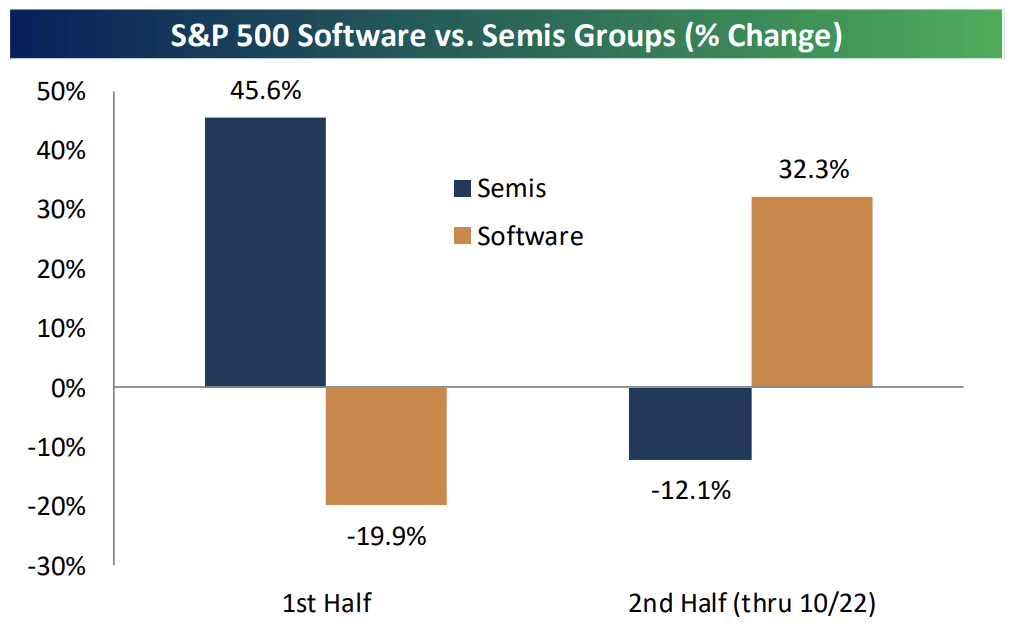
Source: Bespoke Investment Group
This week is loaded with catalysts:
- Big tech earnings: Microsoft, Google and Amazon all report
- TSX earnings season kicks off
- Bank of Canada rate decision: 85% chance of a rate hike (!!)
- Federal Reserve rate decision: 8% chance of a rate hike
You read that right: Canada, the country that lost nearly 70,000 jobs last month, has core inflation under 2% with a tepid GDP of just 1.7%, and a housing market on its knees is going to INCREASE rates this week. “Is a surprise hold instead of a hike possible? Yes, it has happened in the past. It has never happened under Governor Macklem when it has been priced as high as now,” writes Derek Holt of Scotia.

2.
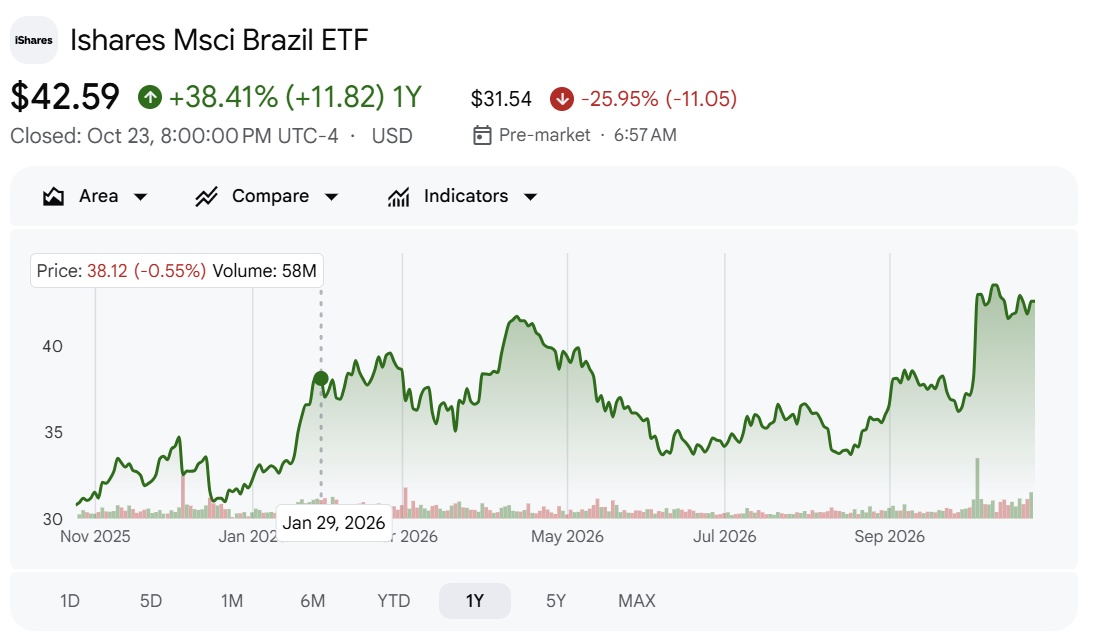
Brazilian equities plunge 26% on surprise election results
President Luiz Inacio Lula da Silva has won a record-setting fourth term as President after losing the first round just a few weeks ago. His rival, Flavio Bolsonaro was favoured by the markets because of his fiscal restraint platform. Now Bolsonaro is calling for the vote to be annulled, plunging the country into political uncertainty. It is a stunning turn of events given Bolsonaro’s win seemed all but certain when he came in ahead in the first round of votes earlier in the month. It is the first time since Presidential voting was established in 1989 that the runner-up in the run-off has won the Presidency.
Brazilian equities were favoured by guests like Stephen Harvey of Sagard and Bob Thompson of Raymond James earlier this year. Those trades worked out with the Brazilian ETF up 35% this year – but will face a sober reckoning this morning.
“The important medium-term point, however, is that the rightward shift in Congress remains even after Lula’s victory, which should constrain the administration’s ability to pursue a materially looser fiscal agenda,” wrote Jim Reid of Deutsche Bank this morning, “So once the immediate election premium and Bolsonaro’s challenge to the result are digested, the bigger question for Brazilian assets will be whether Lula can use that congressional constraint to establish a credible fiscal path.”
Shares of Brazil-linked equities like Nu Holdings (-27%), MercadoLibre (-14%), Petrobras (-23%) and Itau Unibanco (-26%) are all down sharply in the pre-market.
3.
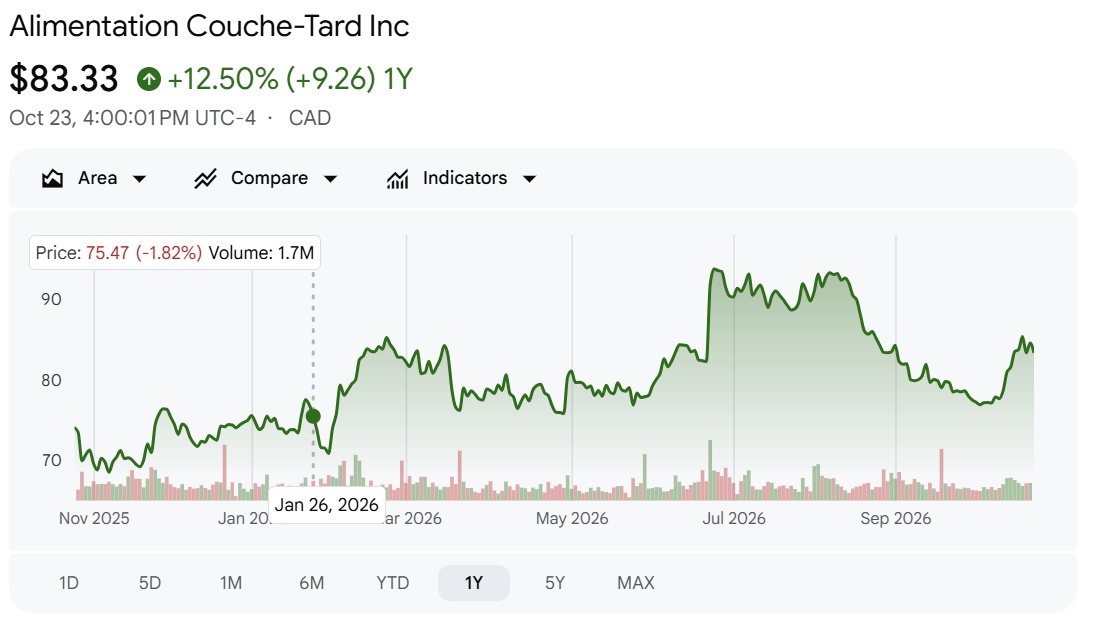
Couche-Tard reportedly makes offer for Cumberland Farms
Alimentation Couche-Tard is back on the prowl and reportedly put in a bid for Cumberland Farms ahead of its planned IPO, according to reports from The Times. Couche-Tard is offering $8 billion for the global convenience store chain that is headquartered in North Carolina. Most of its stores are in the US, with 1,500 retail locations. Couche-Tard gave up its unsuccessful bid for 7-Elevan last year and since then as acquired controlling interest of assets in Poland and just this month bought assets from Irving Oil.
The Times is reporting Couche-Tard attempted to buy Cumberland for double what is offering now back in 2022. The $8 billion offer is below the $9 billion valuation Cumberland Farms is seeking in the public markets. Couche-Tard could be looking to take advantage of volatility in the markets and the number of shelved IPOs.
4.
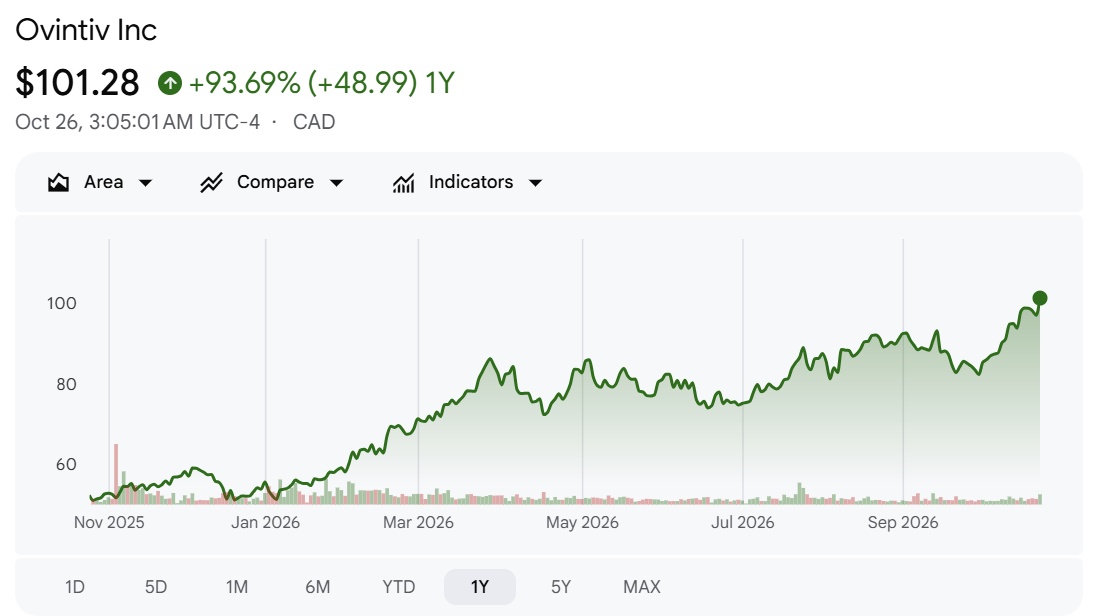
Ovintiv buys Logan Energy in Montney push
The former Encana, which spent the better part of the last decade moving away from Canada, is further bulking up in the Montney buying Logan Energy for over $1 billion. It’s Ovintiv’s third Montney deal in the last two years. In 2019, Ovintiv announced it was moving its headquarters to the US and would focus on being a shale producer. Shares have lagged TSX oil producers since that move. However, recently, as the mood in Canada changes, it has been buying exposure here including its acquisition of NuVista and Paramount assets last year while exiting some of its US holdings like the Anadarko basin in Oklahoma. That’s roughly US$6 billion spent buying back into Alberta by a company that left Canada because its future was supposedly in US shale.
Since purchasing NuVista, shares of Ovintiv have outperformed. Unclear whether the changing political attitude toward energy in Canada is a driving factor in bulking up in the country again, but I am sure it doesn’t hurt. Make Ovintiv Encana Again.
5.
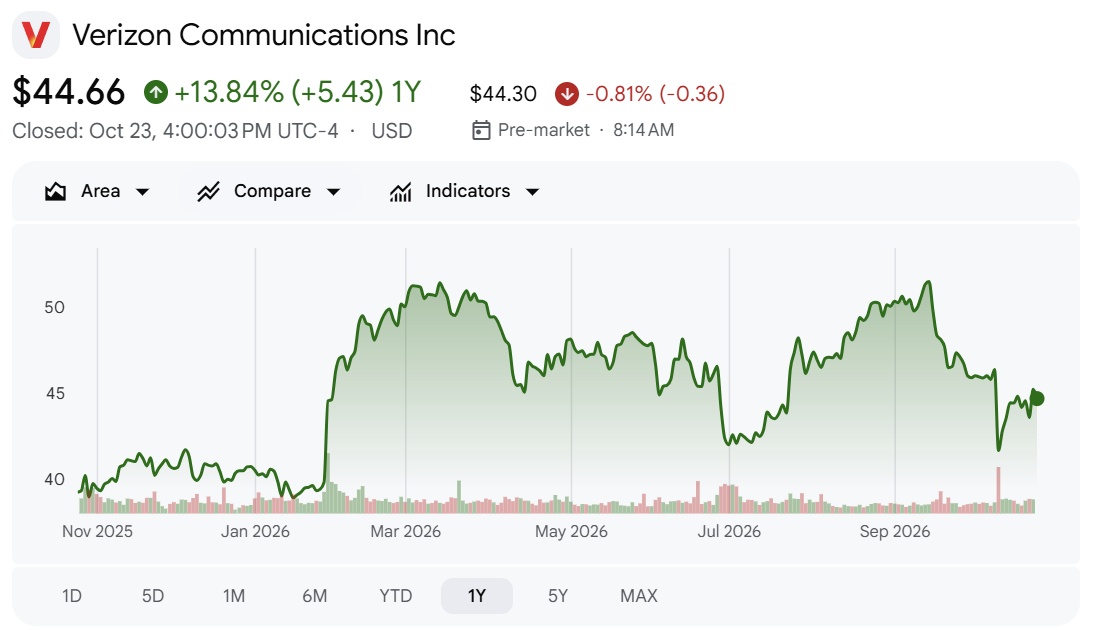
Verizon doesn’t budge despite raised profit outlook and customer surge
The US wireless provider also inked a $2 billion deal with Amazon to supply fibre to data centres. Verizon increased its forecast for the year thanks to a surge in new customers. Verizon added 406,000 post paid connections – well above the 195,000 expected by analysts. The lack of upside in shares shows that earnings aren’t enough to overcome fears of competitive threats coming from SpaceX as well as the headwind of rising rates. Revenue was also lighter than expected in both the consumer and business segments.
Don’t miss the next episode!