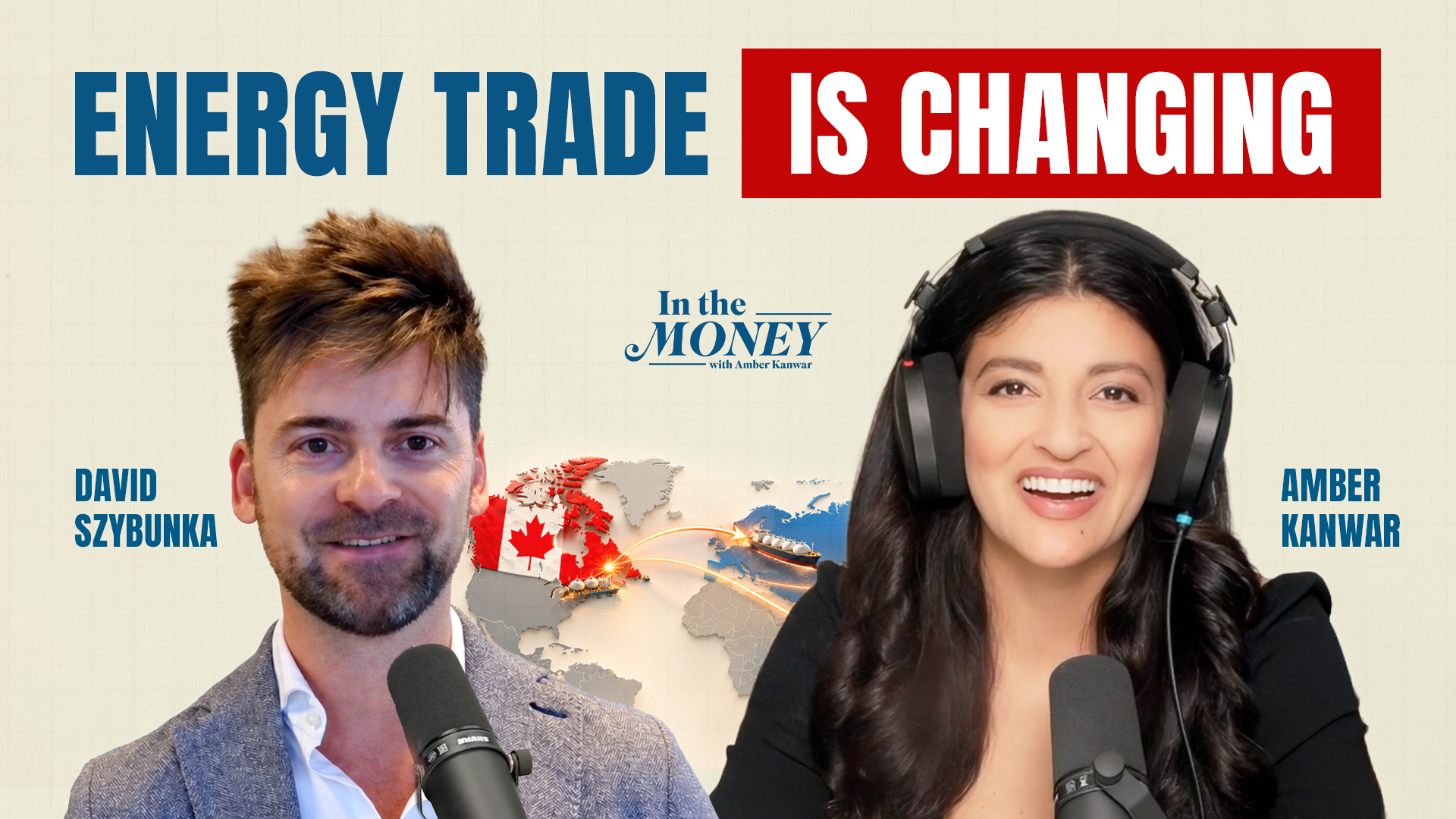
The energy trade has already delivered big gains—but David Szybunka says the cycle is far from over. The opportunity is simply changing. David Szybunka, Senior Portfolio Manager & Managing Director of the Energy Team at Canoe Financial, joins Amber Kanwar to explain why he believes energy has entered the “optimism” stage of a much longer cycle. After large-cap oil producers led the rally, Szybunka is becoming more selective, finding better value in natural gas, mid-cap producers and oilfield services.
Pro Picks is brought to you by ATB Financial. With over $100 billion in assets, ATB Financial is powering possibilities for more than 843,000 financial services clients. ATB Cormark Capital Markets is a leading North American investment firm providing holistic corporate and capital markets advice and full-service financial solutions. Visit www.ATB.com/inthemoney for more information.
Scorecard: last picks (November 18, 2025)
Tamarack Valley (TVE): +84% · Still holds, at a lower weight after the run. It’s merging with Headwater, which creates a bigger company that’s heading past $10 billion, and holders get a piece of the Tributary spinout.
CES Energy Solutions (CEU): +65% · Still holds. The biggest clean win in the group.
Headwater Exploration (HWX): +61% · Still holds, at a lower weight. The Tamarack deal “made sense for both parties,” and Headwater’s team goes back to what it does best, building from scratch in Tributary.
PrairieSky Royalty (PSK): +28% · Still holds. One of the safe plays, and it delivered.
Topaz Energy (TPZ): +11% · Still holds. Another safe play that did its job.
Tourmaline Oil (TOU): +4% · The laggard, and he’s doubling down. More on that below.
Top Picks: Buying What’s Unloved
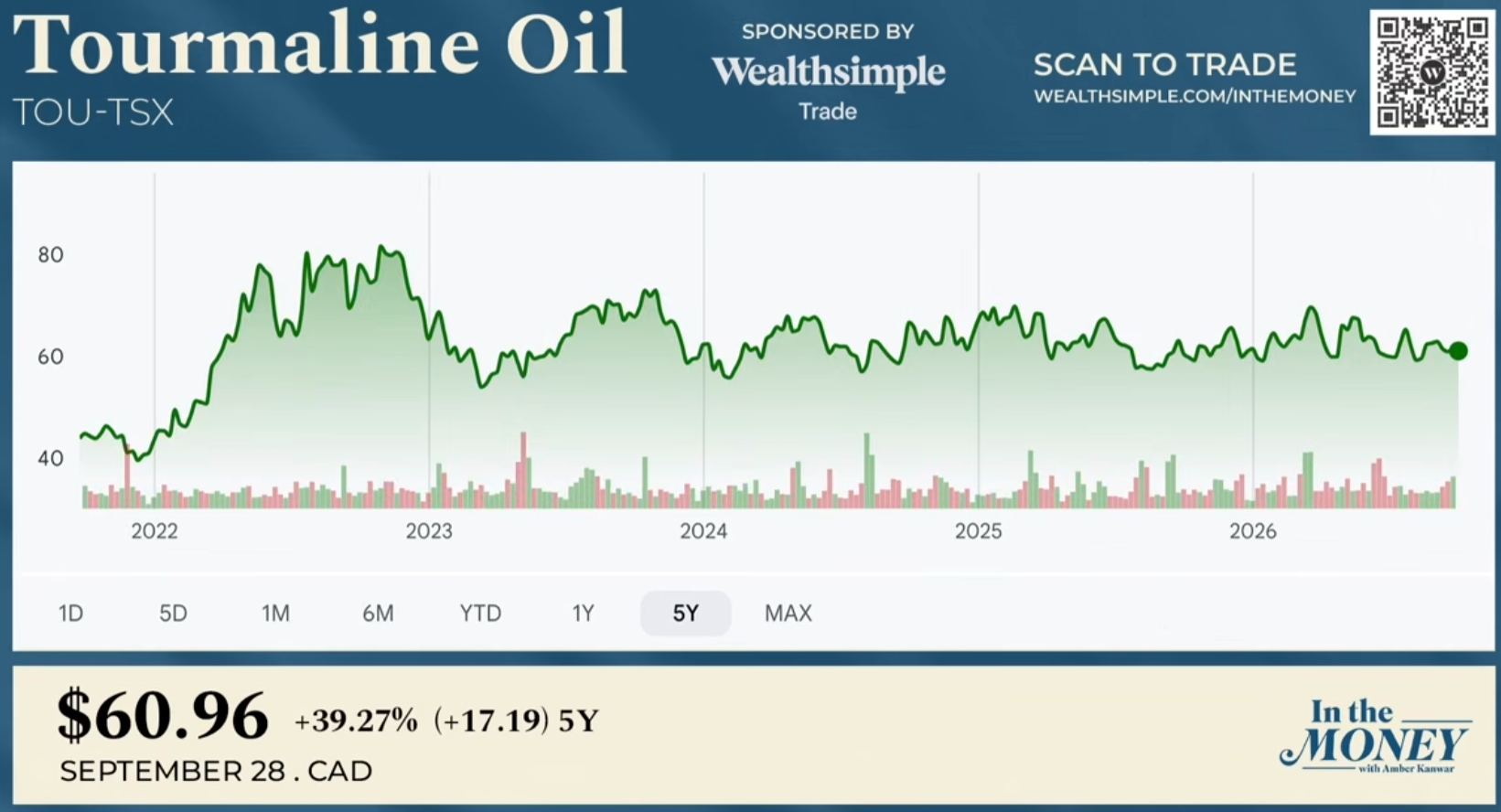
1. Tourmaline Oil (TOU): “Never been this vulnerable to a bid”
It’s Canada’s largest natural gas producer, and the stock has gone nowhere. Tourmaline itself isn’t the problem; the whole gas sub-sector has been out of favour.
- The math doesn’t add up. Coming out of 2014, Tourmaline produced about 100,000 barrels of oil equivalent a day and had a $12 billion market cap. Today it produces about 650,000 barrels a day and is worth about $24 billion. That’s 6.5 times the production for twice the value.
- Quit looking at AECO. The market is fixated on local prices of $1–3. The real story is getting gas onto ships and selling it globally at around $25, and Tourmaline already has 20-year deals moving product to Asia.
- Takeover bait, but you don’t need it. Foreign buyers facing high gas prices at home are circling, and MidOcean paid about three times the going rate for B.C. gas assets. The thesis works without a bid, though: bottom-of-cycle valuations on bottom-of-cycle prices, with little downside and plenty of upside.
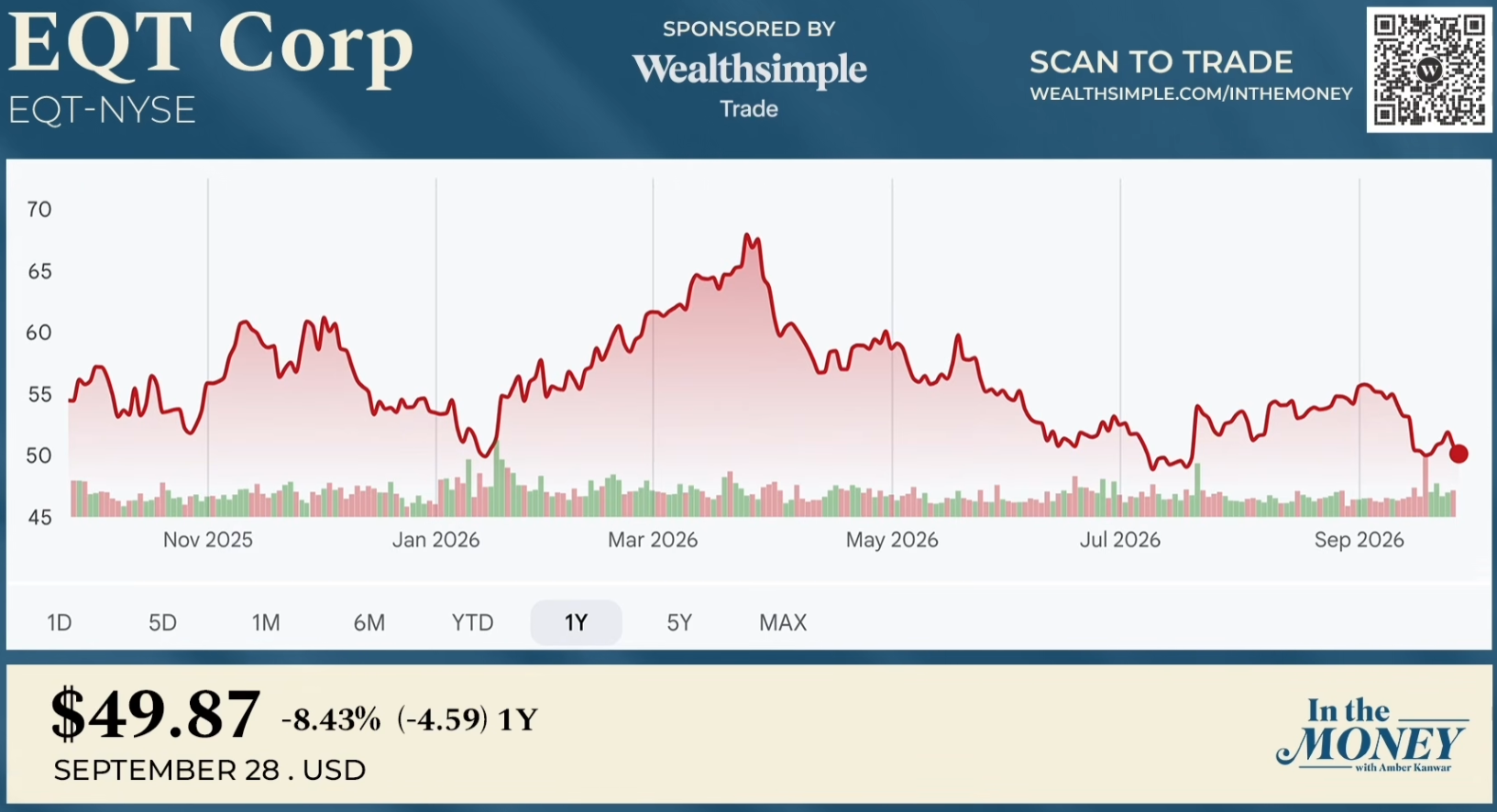
2. EQT (EQT): Same thesis, U.S. version
It’s the biggest U.S. natural gas producer, and like Tourmaline, it has rolled over this year.
- The “big boys” win. EQT signs multi-year, investment-grade contracts with utilities and tech giants like Meta and Nvidia. Contracted earnings are less cyclical, and that supports a higher multiple.
- Takeaway capacity is already there. U.S. LNG exports are ramping from about 10 Bcf a day toward 30–35. “If I was Exxon, that’s where I’d be doing my deal today.”
- Power demand is the long-term driver. AI and data centres need power, and much of it will come from gas. He calls this a years-long surge in demand that the stocks aren’t pricing in.
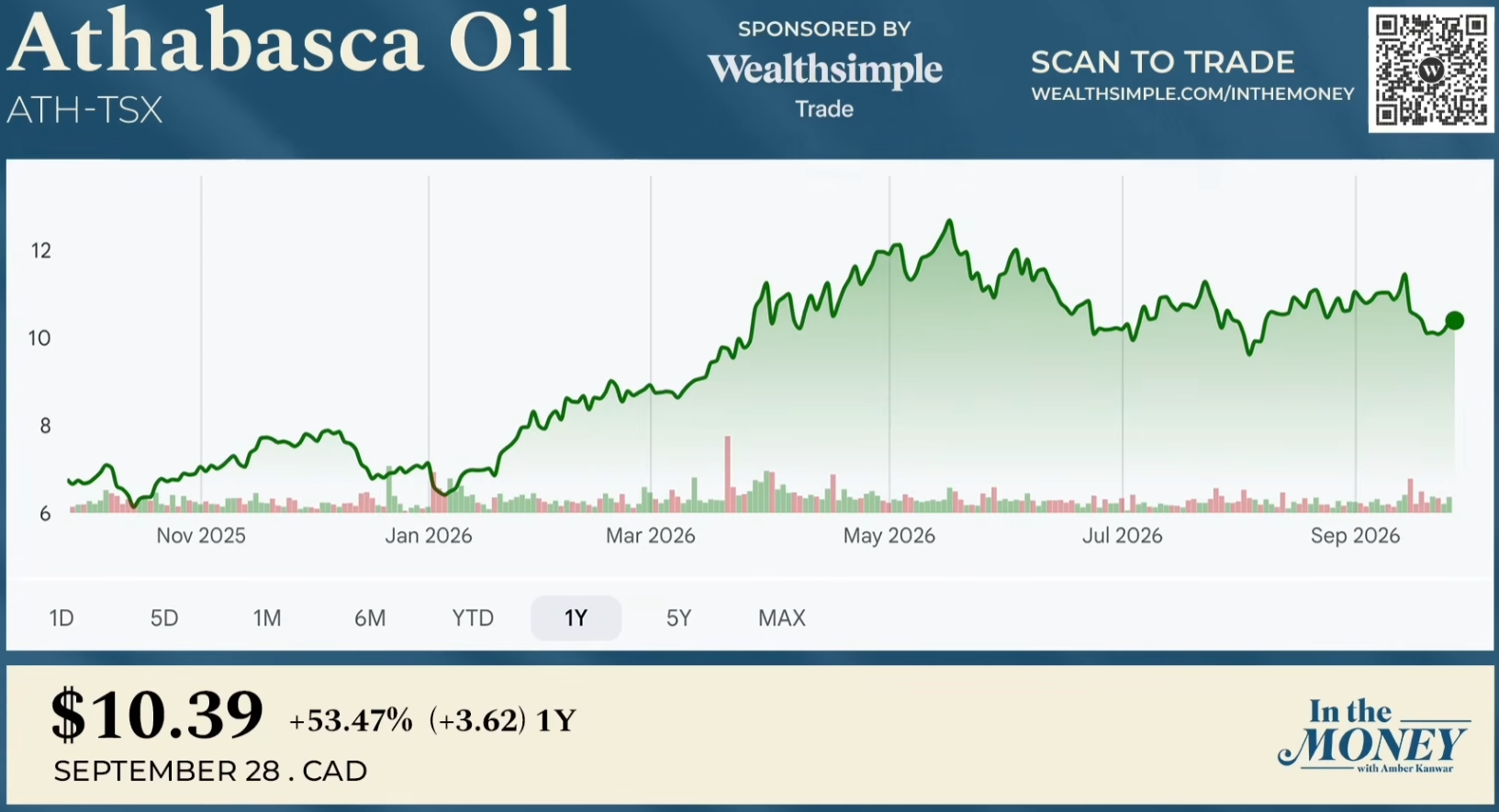
3. Athabasca Oil (ATH): Decades of resource at a discount
It’s an oil sands producer that has fallen from about $12 to $10 since April, while Whitecap and Cenovus are up about 25%.
- Resource longevity is mispriced. Athabasca has 50–70 years of resource, against 10–20 for many peers. Analysts argue over whether it deserves 7 times versus 6 times, and he thinks that misses the bigger picture.
- Some of the best assets in Western Canada. Leismer and Corner are assets he’d “want to own for the next five, 10 years” in a world of scarce resources.
- A target for cash-rich large caps. As the big companies move from buying back their own shares to buying assets, “an Athabasca is staring at you.”
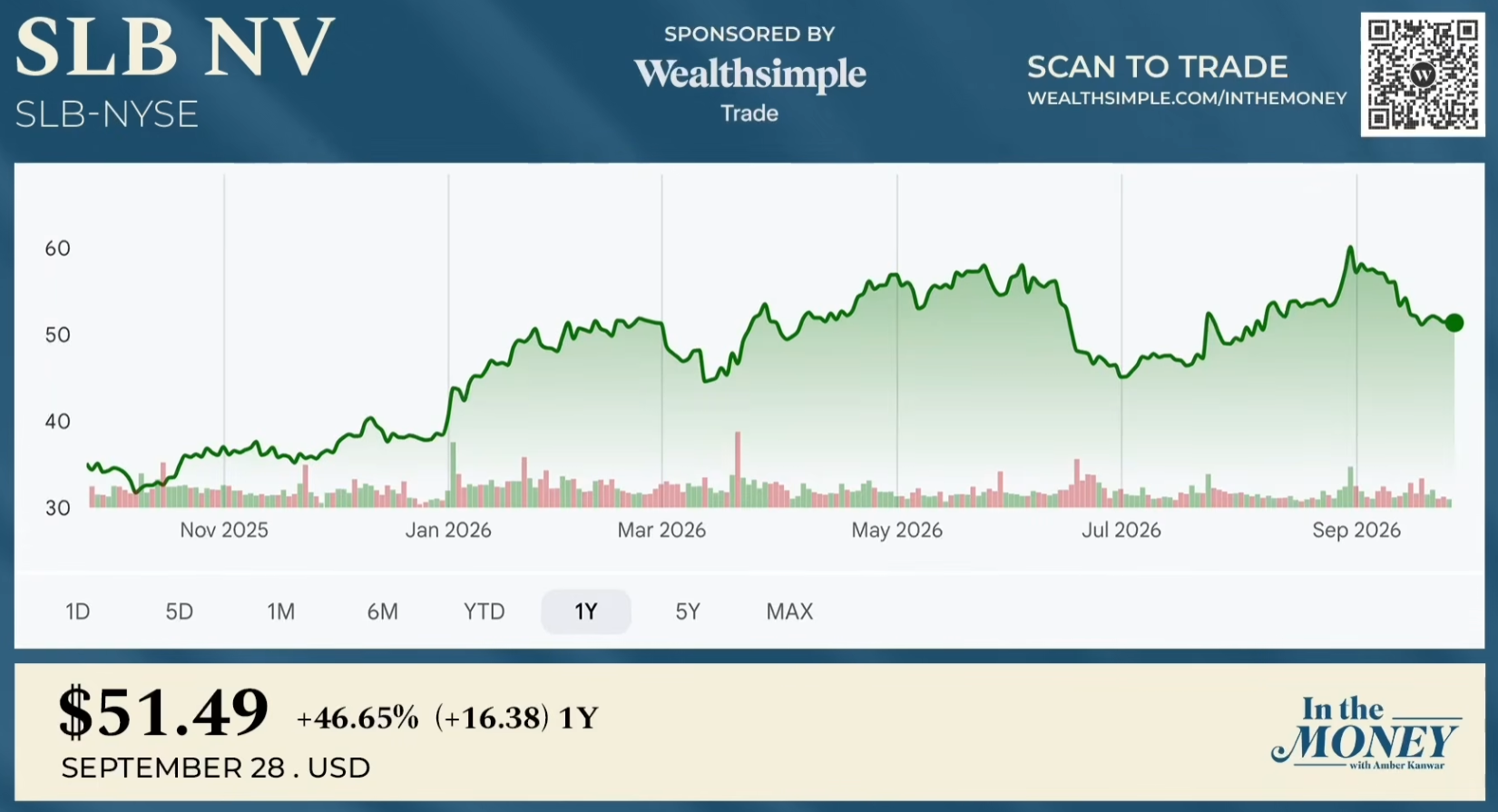
4. SLB (SLB): The global spending cycle
It’s the world’s biggest oilfield services company, and it’s down since the war started.
- The spending cycle is starting, mostly outside North America. The UAE left OPEC and plans to spend $150 billion to lift output toward 5–6 million barrels a day. Iraq is talking about doubling production. Argentina’s shale looks like U.S. shale a decade ago, and Venezuela is spending again.
- The world won’t go back to normal. He thinks the Strait of Hormuz crisis is structural, and that countries will spend to secure their own supply.
- It works at almost any oil price. “It doesn’t matter if oil’s 55, 65, 75 or 85.” Look 12 to 24 months out, not at today’s Middle East headlines.
Don’t miss our next episode!

DISCLAIMERS: This text AI generated and should be checked against actual delivery. The content provided in this podcast is for informational purposes only and does not constitute financial, investment, or professional advice. The views expressed by the host and guests are their own and do not necessarily reflect the opinions of any organization or company. The host and guests may maintain positions in any securities discussed on the podcast. Always consult with a qualified financial advisor or professional before making any investment decisions.